■ Basic Information
Grade
Feed, Food, Medicine Grade
Molecular Formula
C11H18NO8-
■ Product Description
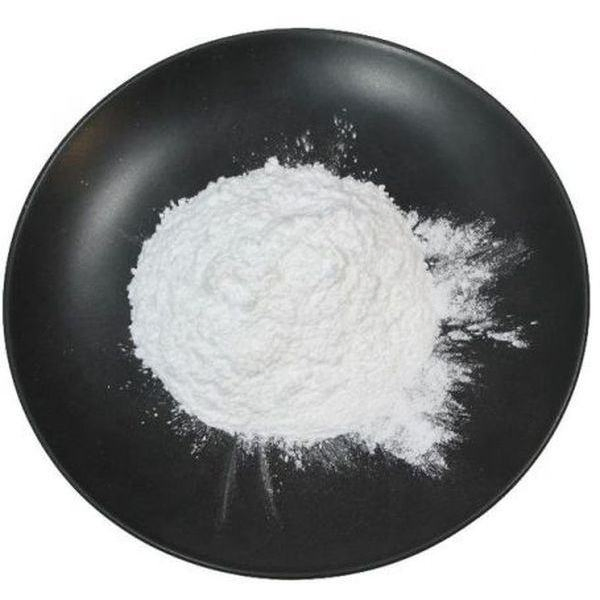
L-carnitine tartrate, also known as L-carnitine or propionyl-L-carnitine, is considered the biologically active form of carnitine in the human body. It is stored in almost all parts of the body, but is mainly found in muscle cells, including cells in the heart.
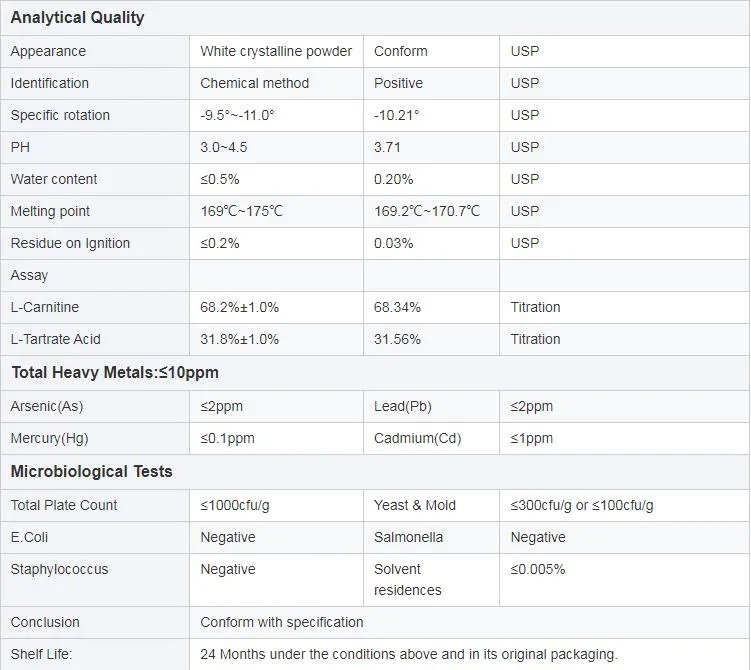
Stable Composition: L-carnitine tartrate is the stable form of L-carnitine. The active ingredient is still L-carnitine (32%), while the remaining 68% is tartaric acid. Its function and effect are identical to L-carnitine, primarily used in capsules and tablet agent production.
■ Key Functions & Applications
✚ Nutritional Fortifier
Commonly added to milk powder and infant food to improve nutritional profiles according to hygiene standards.
🔥 Weight Management
Helps burn redundant adipose tissue by transmitting fat into energy, supporting a slimming figure.
⚡ Sports Performance
Improves explosive force and resists fatigue, significantly enhancing overall sports ability for athletes.
🛡️ Health Maintenance
Essential supplement for aging bodies as natural L-carnitine levels decrease over time.
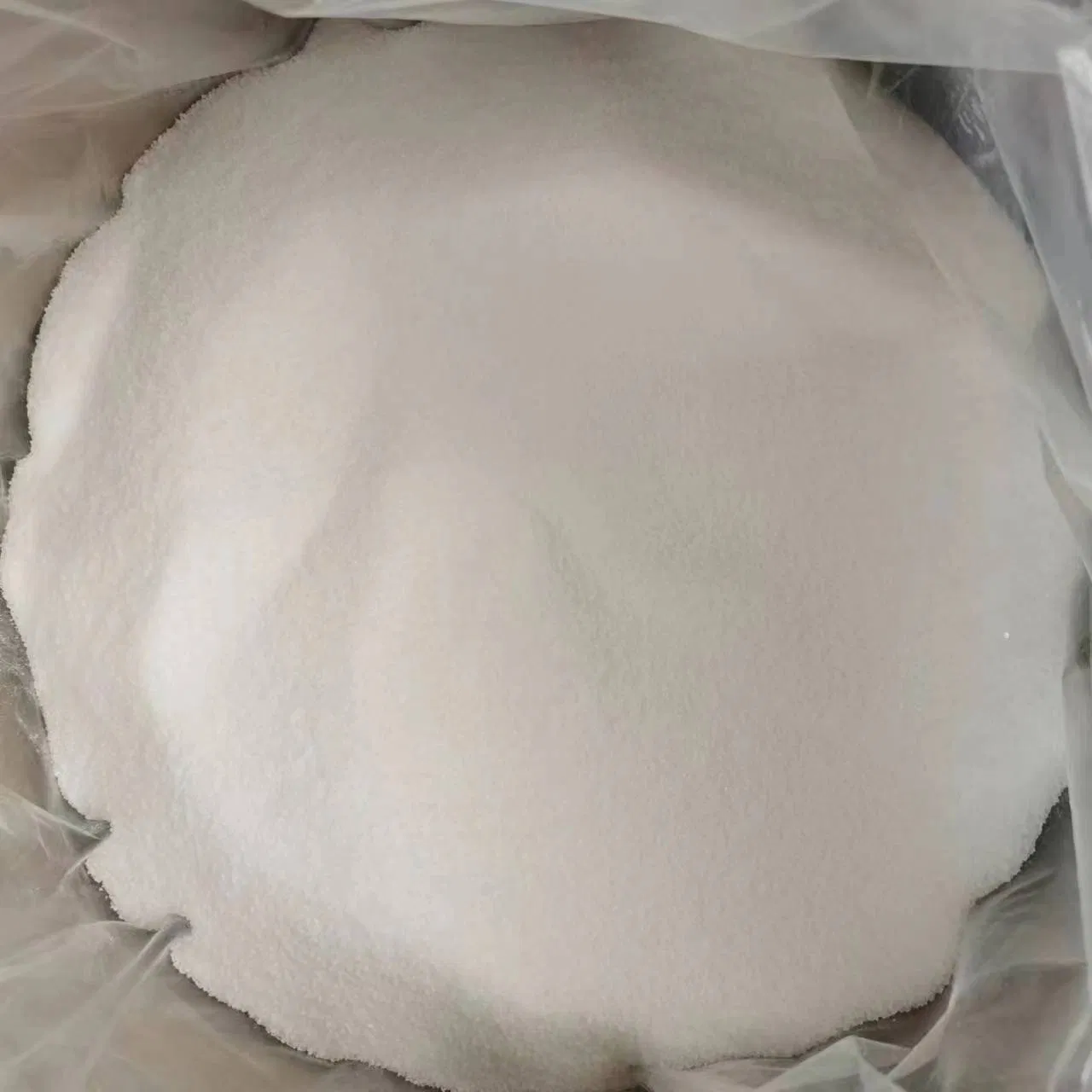
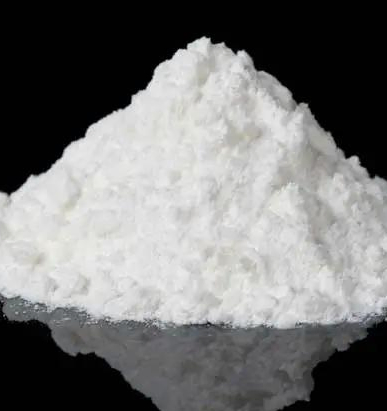
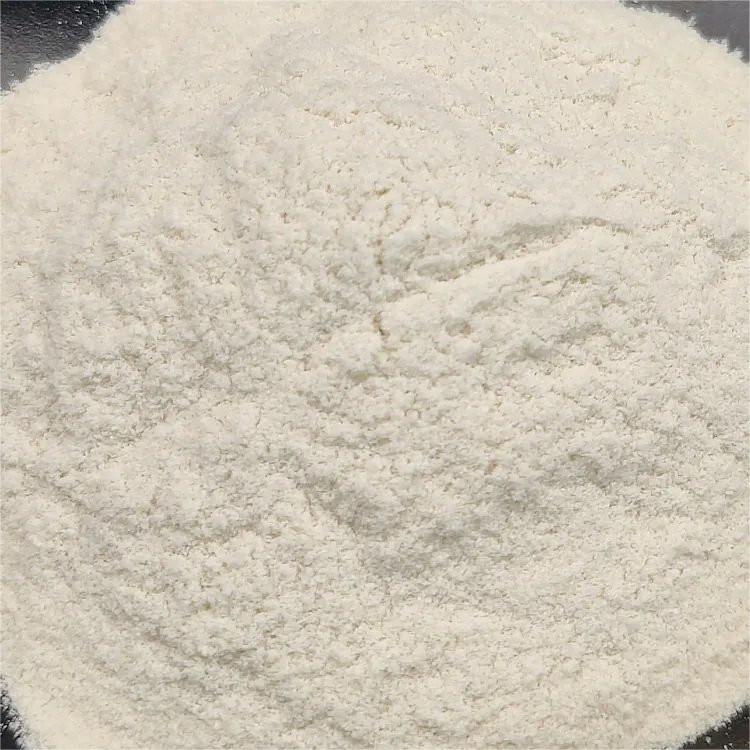
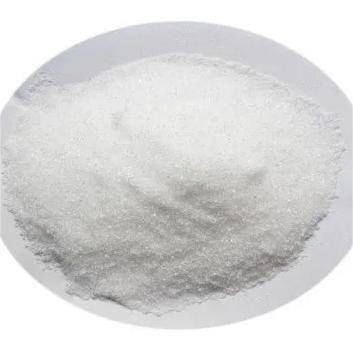
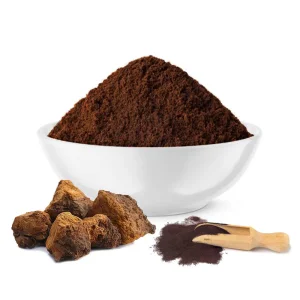
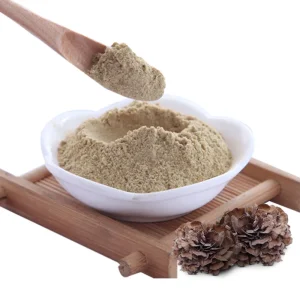
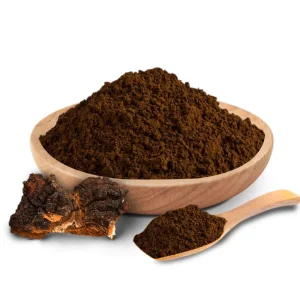
■ Product Visuals
Frequently Asked Questions
Q1: What is the difference between L-carnitine and L-carnitine tartrate?
L-carnitine tartrate is the stable form of L-carnitine. While the active ingredient is identical, the tartrate version contains approximately 32% L-carnitine and 68% tartaric acid, making it ideal for solid dosage forms like capsules and tablets.
Q2: Is L-carnitine tartrate safe for infant nutrition?
Yes, according to hygiene standards like GB2760-1996, it is recognized as a food nutrition fortifier and can be safely added to milk powder and infant milk beverages.
Q3: How does it support weight loss?
It facilitates the transport of fatty acids into the mitochondria of cells, where they are burned for energy, thereby helping to reduce body fat.
Q4: What are the primary applications of this powder?
It is widely used in chewable tablets, liquid drinks, dietary capsules, sports nutrition supplements, and specialized milk products.
Q5: What is the shelf life and storage requirement?
The product has a shelf life of 24 months when stored under normal, cool, and dry conditions in its original packaging.
Q6: Can it improve athletic performance?
Yes, it is known to enhance explosive force and increase fatigue resistance, making it a popular choice for athletes' nutritional supplements.
 Debaoyi Natural Plants