Why Are Extracts Used in Food and Drinks?

Time:2026-10-16 Author:Ethan
0%

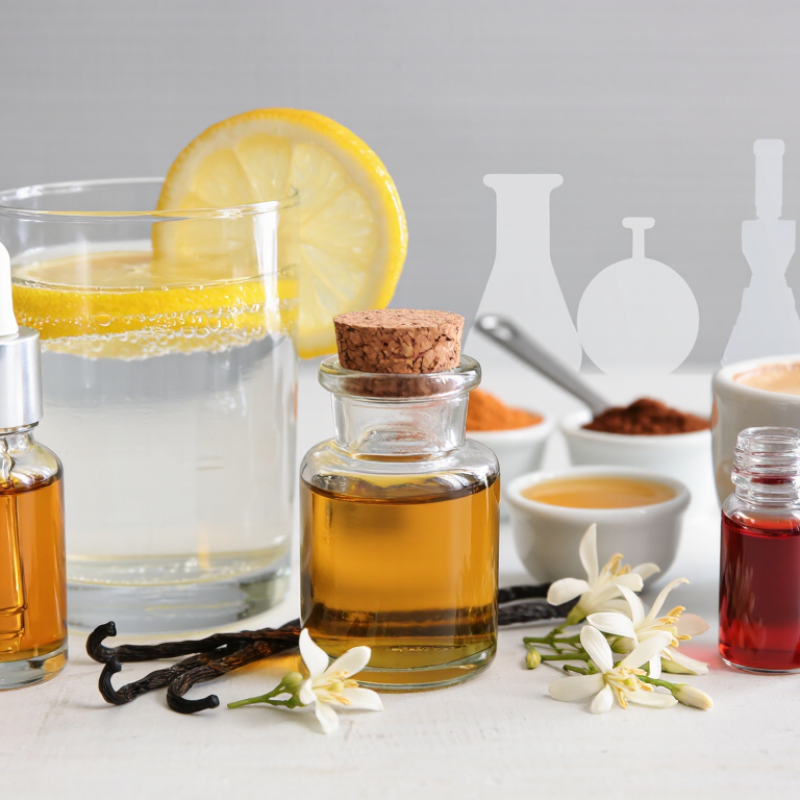
Why are extracts used in food and drinks? The answer begins with concentration, consistency, and sensory control. An extract can capture a plant’s characteristic flavor, aroma, color, or functional compounds in a compact form. Vanilla extract adds warm sweetness to cake batter, while coffee extract strengthens a bottled latte without adding much liquid. A citrus extract can brighten sparkling water with only a few measured drops.

Extracts also help manufacturers repeat the same experience across different batches. Food technologists test flavor intensity, solubility, stability, and interactions with other ingredients. They may compare a spice extract with ground spice in a sauce, checking aroma release after heating. This process supports reliable formulation and clearer quality standards. It can also reduce preparation time, especially when fresh ingredients vary by season, location, or storage conditions.

However, extracts are not automatically better. “Natural” does not always mean safer, stronger, or more sustainable. The source, extraction method, concentration, and added carriers all matter. Some extracts lose delicate aromas during processing, while others may taste harsh when overdosed. Labels and technical specifications deserve careful attention. A responsible explanation should acknowledge uncertainty, because extraction is not a magic shortcut. It is a controlled tool, useful when its purpose is clear and its quality is verified. This article explores why extracts appear in everyday foods and drinks, how they influence sensory quality, and what consumers should consider before judging them.
Why Are Extracts Used in Food and Drinks?

What Food and Drink Extracts Are

Why Are Extracts Used in Food and Drinks?

What Food and Drink Extracts Are

Food and drink extracts are concentrated flavor ingredients taken from plants, spices, fruits, seeds, or other edible sources. Producers use water, alcohol, oil, or gentle heat to draw out selected aroma compounds. The liquid is then filtered and measured for consistent use.

A vanilla extract, for example, carries warm aromatic notes into cakes, creams, and beverages. Citrus extracts can add brightness without extra juice or pulp. Some extracts also provide color, but flavor remains their main purpose. In recipe testing, I have noticed that a few drops can change a whole batch. Too much can taste sharp, artificial, or strangely flat. That small detail is easy to miss.

Reliable producers test extracts for identity, strength, cleanliness, and stability. The ingredient label should show the extract source and any added carriers. “Natural” does not always mean stronger or better. It only describes the ingredient’s stated origin under relevant regulations.

Tips: Start with a small amount and taste gradually. Check whether the extract suits hot or cold recipes. Store opened bottles away from heat and direct light. Keep notes, because strength can vary between preparations.

How Extracts Are Made from Natural Ingredients

Extracts give food and drinks concentrated flavor, aroma, color, or functional qualities. They begin with natural ingredients such as vanilla, citrus peel, herbs, spices, fruits, or roasted seeds. The extraction method depends on the ingredient’s structure and desired result. Delicate citrus oils may need cold pressing. Vanilla often uses gentle soaking in water and food-grade alcohol. Herbs can release aromatic compounds through steam distillation. Some ingredients work better with oil or carbon dioxide extraction.

The process starts with careful cleaning, sorting, and preparation. Fresh materials may be chopped, dried, crushed, or lightly heated. These steps increase contact between the ingredient and extraction liquid. Time and temperature must remain controlled. Excessive heat can flatten delicate aromas or create bitter notes. After extraction, filtration removes plant particles. Producers then test the liquid for flavor strength, stability, purity, and microbial safety. In practical tasting, small temperature changes can noticeably alter aroma. Not every batch performs perfectly. Natural variation remains a real challenge.

Tips: Choose extracts with clear ingredient information and suitable food-use labeling. Store them away from heat, sunlight, and moisture. Use small amounts first, especially with powerful spice or citrus extracts. A weak flavor may need adjustment, not automatic overuse. When possible, compare aroma, color, and taste across batches before adding an extract to a recipe.

Why Extracts Are Added to Foods and Beverages

Food and beverage extracts are concentrated ingredients made from plants, spices, fruits, seeds, or other food sources. They are added to deliver a clear flavor without using a large quantity of the original ingredient. A few drops of peppermint extract can flavor a bowl of frosting. Cinnamon extract can spread warm notes through a drink.

Extracts also help manufacturers control flavor from batch to batch. Fresh fruit, herbs, and spices can vary with harvest, storage, and processing. A measured extract offers more predictable results in baked goods, syrups, dairy products, and ready-to-drink beverages. Some extracts contribute aroma, natural color, or useful plant compounds, depending on their source and production method.

Small amounts matter. Too much can create a harsh, medicinal, or artificial-tasting result. In recipe testing, I would compare the extract with the complete ingredient list, not judge it by aroma alone. The carrier may be water, alcohol, oil, or glycerin, and that choice can affect texture and labeling. People with allergies or dietary restrictions should check the declared ingredients carefully. The result is not always better. A strong extract may save preparation time, yet it can remove the fresh texture of crushed fruit or grated spice. Quality also depends on responsible sourcing, controlled processing, and accurate dosage instructions. These details are easy to overlook.

Common Types of Extracts and Their Uses

Common Types of Extracts and Their Uses

Extracts concentrate aroma, taste, or color from plants, fruits, spices, and other food materials. Vanilla extract adds warm sweetness to cakes, ice cream, and dairy drinks. Citrus extracts brighten sparkling beverages, sauces, and confectionery. Coffee and cocoa extracts create roasted depth without adding bulky powders. Botanical extracts, such as mint, ginger, and rosemary, support distinctive beverage profiles. Some are water-based, while others use alcohol, glycerin, or supercritical carbon dioxide. The extraction method changes strength, stability, and cost.

The MarketsandMarkets 2024 Food Flavors Market report valued the sector at about USD 19.3 billion in 2023. It projects growth to approximately USD 26.3 billion by 2028. Extracts benefit from this demand because manufacturers need recognizable flavors in smaller doses. Grand View Research also reports rising interest in natural food ingredients, linked to cleaner-label product development. Yet “natural” does not always mean stronger or better. Heat, light, acidity, and storage can weaken delicate extracts. I have found that a citrus extract may smell vivid in a sample cup but fade in a finished drink. That gap deserves more testing.

Yeast extracts bring savory depth to soups, snacks, and plant-based foods. Fruit extracts add color and familiar flavor to drinks. Spice extracts help standardize batches when whole spices vary by harvest. Professional formulators usually check sensory performance, allergen status, dosage, and regulatory compliance before approval. Small adjustments matter. Too much vanilla can taste medicinal, while excess ginger may overwhelm the drink.

Safety, Quality, and Labeling Considerations

Extracts help concentrate flavor, color, aroma, or functional ingredients in food and drinks. Their small volume can deliver a clear sensory effect, like citrus brightness in a sparkling drink or vanilla aroma in a baked product. Safety begins with identity and purity. Manufacturers should verify botanical sources, processing methods, and supplier documentation. Testing may also check microbes, heavy metals, pesticides, and unwanted solvent residues. Results should match the extract’s intended use and concentration.

Quality can change with harvest conditions, storage, and extraction temperature. A vivid color is not always proof of better quality. It may even hide a weak flavor profile. Clear specifications should cover strength, appearance, taste, stability, and shelf life. Food professionals should review certificates carefully, because paperwork can contain gaps. I have found that small inconsistencies deserve attention before approval, not after a complaint.

Tips: Keep extracts in suitable, sealed containers away from heat and light. Use measured batches, record lot numbers, and confirm allergen information before release. Labels should state the extract’s function accurately, such as flavoring or coloring, where local rules require it. Ingredient names and claims vary by jurisdiction. Check current regulations instead of copying an older label. Plain wording helps consumers understand what they are buying. Mistakes happen. A second review is still worthwhile.

Why Are Extracts Used in Food and Drinks?

Extracts provide concentrated flavor and aroma, support product consistency, and can simplify formulation. Their labeling requirements depend on the ingredients used, especially whether a major food allergen is present.

Chart key: 1 means a U.S. major-allergen declaration is generally required when the extract contains that allergen; 0 means the ingredient is not included on the federal major-allergen list. Other labeling rules may still apply.

Reference: U.S. Food and Drug Administration, Food Allergen Labeling and Consumer Protection Act and FASTER Act. Major allergens include milk, eggs, fish, Crustacean shellfish, tree nuts, peanuts, wheat, soybeans, and sesame.

FAQS

What are food and drink extracts?

They are concentrated flavors taken from plants, spices, fruits, seeds, or other edible sources. A few drops can flavor an entire cake.

How are extracts made?

Water, alcohol, oil, or gentle heat draws selected aroma compounds from edible materials. The liquid is then filtered and measured for consistent use.

Why are extracts added to recipes?

Extracts provide clear flavor without large amounts of fruit, herbs, or spices. They can also help maintain a steadier taste between batches.

How much extract should I use?

Start with a small amount, then taste gradually. Less is safer. Too much may taste harsh, medicinal, artificial, or strangely flat.

Can extracts replace fresh ingredients completely?

Not always. An extract supplies flavor and aroma, but it may not provide pulp, texture, moisture, or the freshness of grated ingredients.

What should I check on an extract label?

Check the source, strength, carrier, and added ingredients. The carrier may be water, alcohol, oil, or glycerin. Allergy concerns require extra care.

Are natural extracts always better or stronger?

No. “Natural” describes the stated origin, not guaranteed quality or intensity. Strength also depends on processing, storage, and dosage.

How should opened extracts be stored?

Keep bottles away from heat and direct light. Check whether the extract suits hot or cold recipes. Keep notes between preparations; results can vary.

Conclusion

Food and drink extracts are concentrated preparations made by drawing flavor, aroma, color, or useful compounds from natural ingredients such as fruits, herbs, spices, seeds, and flowers. They may be produced through methods such as soaking, pressing, distillation, or controlled drying, depending on the ingredient and the desired result. Because extracts contain concentrated properties, only a small amount is often needed in a recipe.

Why are extracts used in food and drinks? They help create consistent flavor, enhance aroma, improve color, and provide convenient ways to use ingredients throughout different products. Common examples include vanilla, citrus, mint, coffee, tea, and spice extracts, which can be added to baked goods, sauces, desserts, beverages, and other foods. Their quality depends on the source material, production process, storage, and careful testing. Consumers should also review labels for ingredient information, allergen statements, concentration details, and appropriate usage guidance.

Ethan

Ethan

Ethan is a seasoned marketing professional with a deep expertise in our company's innovative product line. With a passion for sharing knowledge and insights, he takes the lead in regularly updating our corporate blog, where he explores industry trends, product features, and effective marketing......