Why Are Herbal Extracts Popular in Skincare From China?

Time:2026-09-16 Author:Sophia
0%

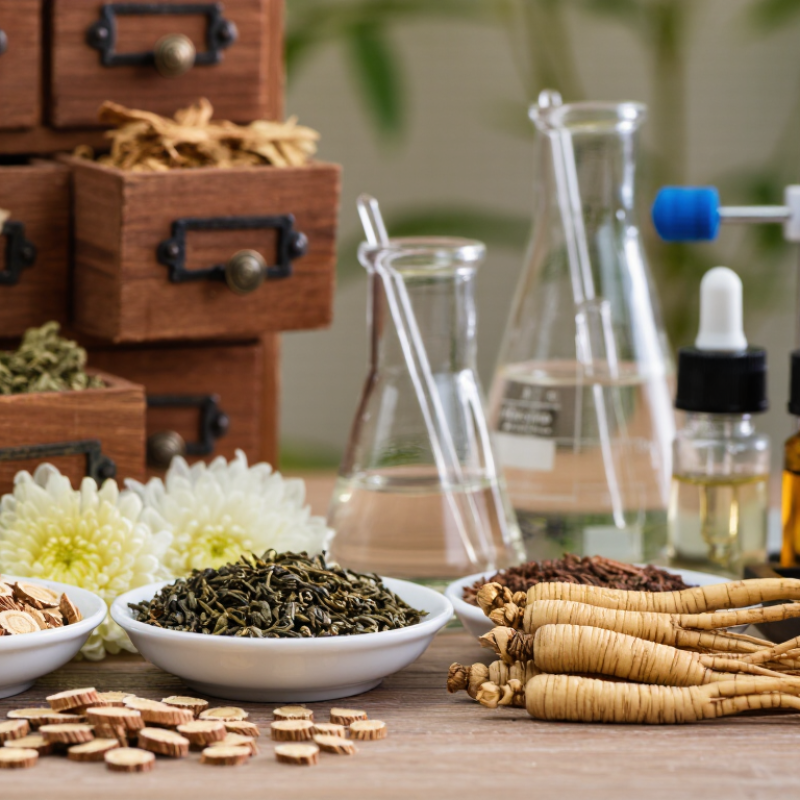
Why are herbal extracts popular in skincare? In China, the answer blends cultural memory, practical experience, and changing consumer expectations. For centuries, plants such as green tea, licorice, ginseng, and chrysanthemum have appeared in personal care traditions. Their names still evoke apothecary drawers, dried roots, and carefully steeped infusions. That familiarity can make botanical skincare feel trustworthy, especially when modern packaging explains each ingredient clearly.

The interest is not based on tradition alone. Chinese skincare brands increasingly combine herbal extracts with laboratory testing, standardized formulas, and controlled manufacturing. Green tea is studied for antioxidant activity, while licorice extracts are often examined for their soothing and tone-supporting potential. However, an extract’s effect depends on its concentration, preparation, stability, and the condition of the skin. Natural does not automatically mean gentle. It does not guarantee results.

That distinction matters. Experienced formulators must evaluate sourcing, contamination risks, preservation, and compatibility with other ingredients. Reliable brands should identify plant species, use transparent testing, and avoid promising instant transformation. Consumers may notice a softer feel after several applications, but visible changes often require patience. Some products may also irritate sensitive skin, particularly when fragrance or concentrated botanicals are included.

The appeal remains strong, yet it deserves careful reflection. Herbal skincare connects ancient knowledge with contemporary cosmetic science, but neither side is perfect. Tradition offers valuable clues. Testing provides necessary evidence. Together, they can support safer and more credible product development for consumers in China and beyond.
Why Are Herbal Extracts Popular in Skincare From China?

What Are Herbal Extracts in Chinese Skincare?

Herbal extracts are concentrated plant materials used in Chinese skincare. They are not simply crushed leaves in a jar. Manufacturers extract selected compounds with water, glycerin, ethanol, or carbon dioxide. The result may contain flavonoids, polysaccharides, saponins, or aromatic molecules. Each compound behaves differently on skin.

Common examples include licorice root, green tea, chrysanthemum, goji, and ginseng. Formulators may choose them for antioxidant, soothing, moisturizing, or tone-supporting properties. A practical test looks at the extract’s concentration, solvent, preservation, and stability. Color matters, too. A dark brown liquid can signal natural pigments, oxidation, or inconsistent processing. It does not automatically prove quality.

The market story is substantial. Grand View Research’s 2024 Botanical Extracts Market report estimated global value above US$3 billion in 2023. However, market growth does not equal clinical proof. China’s National Medical Products Administration requires cosmetic safety assessments and ingredient disclosure, but traditional use alone cannot confirm modern skincare performance. Some extracts have promising laboratory data, while human trials remain limited. This is the uncomfortable part. “Herbal” does not always mean gentle. Fragrance compounds can irritate sensitive skin, and poorly standardized extracts may vary between batches. Consumers should check the full ingredient list and patch-test new products. The romance of ancient herbs needs modern evidence.

How Traditional Chinese Herbal Knowledge Shapes Skincare Practices

Why Are Herbal Extracts Popular in Skincare From China?

Traditional Chinese herbal knowledge shapes skincare through ideas about balance, preparation, and long-term care. Historically, practitioners selected roots, flowers, leaves, and seeds according to skin condition and season. They often combined several materials rather than relying on one “miracle” ingredient. This approach still appears in cleansing waters, creams, and facial masks containing botanical extracts.

The details matter. A herb’s identity, growing region, harvest time, and extraction method can change its chemical profile. Modern formulators therefore test raw materials for purity, stability, and microbial safety. They also assess irritation risks before adding an extract to a finished product. A soothing reputation is not proof of universal tolerance. Patch testing remains sensible, especially for reactive skin.

Traditional knowledge offers useful questions, not automatic answers. How was the plant prepared? What amount is appropriate? Can laboratory evidence support the proposed benefit? These questions connect cultural experience with dermatological research. Some formulas may feel calming after use, while others can disappoint or irritate. Not magic. Herbal does not always mean gentle. “Ancient” does not guarantee effectiveness. A cream can smell familiar and still need better evidence.

Which Plant Compounds Support Skin Health?

Chinese herbal extracts are popular because they connect traditional plant knowledge with modern skin research. China’s National Bureau of Statistics recorded RMB 414.2 billion in cosmetics retail sales in 2023, a 5.1% yearly increase. This expanding market encourages interest in familiar botanical ingredients. Yet popularity does not prove effectiveness.

Which plant compounds support skin health? Green tea catechins can help reduce oxidative stress in laboratory and controlled cosmetic studies. Centella asiatica provides asiaticoside and madecassoside, compounds often studied for soothing and barrier-supporting effects. Licorice contains glabridin and glycyrrhizin. These compounds may help calm visible redness and support a more even-looking complexion. Baicalin from Scutellaria baicalensis also shows antioxidant and soothing potential. The chemistry matters.

Evidence is uneven. A 2023 review in the International Journal of Molecular Sciences found promising results for several herbal compounds, but noted limited large-scale human trials. Extraction method changes the final formula. So does dosage. A clearly labeled extract should identify its plant part, solvent, and standardization marker. Good manufacturers also test for microbes, heavy metals, pesticides, and allergens. A practical detail matters: stable packaging protects sensitive polyphenols from light and air. I would not treat every “natural” claim as reliable. Some studies use concentrated laboratory extracts, not ordinary skincare levels. More independent testing is still needed.

Why Are Herbal Extracts Popular in Skincare From China? — Which Plant Compounds Support Skin Health?

Plant Compound or Extract Representative Botanical Source Primary Skin-Health Function Relevant Mechanism or Activity Evidence Level for Topical Skincare Why It Is Popular in Herbal Formulations Important Formulation or Safety Considerations
Green tea catechins, especially EGCG Camellia sinensis leaves Antioxidant support, soothing, and assistance in managing the visible effects of environmental stress. Helps neutralize reactive oxygen species and may influence inflammatory signaling. Topical studies have also examined photoprotective potential. Moderate Tea has a long history of use in East Asian traditions and provides a recognizable source of polyphenols with a strong research base. Polyphenols can oxidize and lose activity; packaging, pH, oxygen exposure, and light protection are important. It does not replace sunscreen.
Ginsenosides Panax ginseng root Skin conditioning, antioxidant support, and potential support for skin barrier and vitality. Individual ginsenosides have demonstrated antioxidant and anti-inflammatory activities in laboratory research; some studies also investigate effects on collagen-related pathways. Emerging to moderate Ginseng is deeply established in Chinese herbal practice and is associated with a traditional wellness concept of restoring balance. Results vary according to species, extraction method, and ginsenoside profile. Patch testing is advisable for sensitive skin.
Baicalin and baicalein Scutellaria baicalensis root Soothing and antioxidant support for skin exposed to irritation or oxidative stress. Flavonoids show anti-inflammatory and antioxidant effects in cell and laboratory models, including modulation of inflammatory mediators. Emerging Its long-standing use in traditional Chinese herbal preparations supports consumer interest in plant-based calming ingredients. Clinical evidence in finished cosmetic products remains limited. Extract standardization is important because the chemical profile can vary.
Centella triterpenes: asiaticoside, madecassoside, asiatic acid Centella asiatica leaves and stems Skin barrier care, soothing, and support for the appearance of damaged or stressed skin. Triterpenes have been studied for effects on collagen-related processes, wound-healing pathways, and inflammatory responses. Moderate Centella is widely recognized in Asian skincare traditions and is commonly selected for sensitive-skin and barrier-focused formulas. Extract quality and active concentration differ substantially. Product claims should remain cosmetic rather than medical unless supported by appropriate clinical evidence.
Licorice flavonoids and glycyrrhizin Glycyrrhiza glabra or Glycyrrhiza uralensis root Soothing and support for a more even-looking skin tone. Glabridin and related compounds have been investigated for antioxidant, anti-inflammatory, and tyrosinase-related activity in laboratory and topical studies. Moderate for tone-support claims Licorice has a long history in traditional Chinese medicine and is valued for its naturally occurring flavonoids. Cosmetic brightening results are gradual and variable. Formula stability and irritation testing are important, especially when combined with other active ingredients.
Ferulic acid Plant cell walls, including rice bran, wheat, oats, and some traditional medicinal plants Antioxidant protection and support for the stability of complementary antioxidants. Scavenges free radicals and can help stabilize vitamins C and E in suitable formulations; it has also been studied for photoprotective effects. Moderate It connects traditional grain-based botanical sources with modern antioxidant formulation science. Performance depends strongly on pH, concentration, solubility, and packaging. A topical product containing it is not a substitute for UV protection.
Polysaccharides Tremella fuciformis, Lycium barbarum, and other botanical or fungal sources Hydration, film-forming, and improvement of the temporary feel and appearance of dry skin. Large carbohydrate molecules can bind or retain water at the skin surface and may provide conditioning effects; biological activity depends on molecular structure. Emerging These ingredients fit the traditional use of botanical and edible materials while meeting modern demand for hydration-focused skincare. “Polysaccharide” is a broad category, so source, molecular weight, purification, and testing data should be specified. Hydration effects are usually mainly cosmetic and topical.
Curcuminoids Curcuma longa rhizome Antioxidant and soothing support. Curcumin and related compounds show anti-inflammatory and antioxidant activity in laboratory research. Emerging Turmeric is familiar in Asian traditional practices and is associated with naturally derived antioxidant care. Curcuminoids have poor water solubility, limited stability, and strong color that may stain or affect product appearance. Irritation and sensitization testing are necessary.
Silymarin flavonolignans Silybum marianum fruit Antioxidant support and potential assistance in protecting skin from oxidative stress. Silymarin components have been investigated for antioxidant and anti-inflammatory activities, including in studies related to UV-induced stress. Emerging It offers a standardized botanical antioxidant profile and can be incorporated into formulas positioned around environmental defense. Human topical data are still limited. Extract standardization and protection from oxidation are required for consistent performance.
Essential-oil constituents, such as linalool and citral Various aromatic plants, including lavender, citrus, and lemongrass Fragrance and sensory benefits; some constituents show antimicrobial activity in laboratory testing. Volatile compounds can contribute aroma and may inhibit certain microorganisms in vitro, but they can also affect sensitive skin. Limited for direct skin-health benefits Natural fragrance and traditional aromatic use make these materials appealing in herbal formulations. Fragrance allergens may cause irritation or allergic contact dermatitis. Leave-on products require careful use, allergen labeling where applicable, and appropriate safety assessment.

Interpretation: Herbal extracts are popular because they combine traditional cultural familiarity, botanical diversity, sensory appeal, and access to polyphenols, triterpenes, polysaccharides, and other bioactive compounds. Evidence varies by ingredient and product formulation; laboratory activity does not automatically confirm a clinically meaningful result on human skin.

How Herbal Extracts Are Formulated in Skincare Products

Why Are Herbal Extracts Popular in Skincare From China?

Chinese herbal extracts attract skincare formulators because they connect traditional knowledge with modern ingredient science. Their appeal begins with the formulation process, not just the plant name. A team selects the plant part, harvest stage, and extraction method carefully. Water, glycerin, or alcohol-free solvents may draw out different compounds. Temperature and extraction time also influence color, odor, and stability.

After extraction, specialists filter and concentrate the material. They may standardize it by measuring selected marker compounds. This improves batch consistency, although natural materials can still vary. The extract then needs compatibility testing with oils, emulsifiers, preservatives, and active ingredients. In a cream, poor compatibility may cause separation or unexpected color changes. In a toner, the same extract may behave differently. A formula should also undergo stability, microbial, and skin-safety evaluations. “Natural” does not automatically mean gentle.

Tips: Choose transparent ingredient documentation. Check the plant part and extraction solvent. Ask for testing data when possible. Store the finished product away from heat and sunlight.

Practical formulation often involves small adjustments. A lower extract level may protect texture and reduce fragrance changes. A higher level is not always better. I think this point deserves more attention. Some product descriptions sound confident, while the supporting data remains limited. Reliable skincare communication should separate traditional use from proven cosmetic performance. Clear testing records, realistic claims, and traceable sourcing help make herbal formulations more trustworthy.

How Safety, Quality, and Regulation Affect Consumer Trust

Why Are Herbal Extracts Popular in Skincare From China?

Herbal extracts attract attention because they connect skincare with familiar botanical traditions. In Chinese skincare, consumers often look for ingredients such as green tea, licorice, chrysanthemum, or centella. The appeal feels natural. However, a plant name alone cannot prove safety or effectiveness. A responsible formula should identify the plant species, extraction method, concentration, and intended skin benefit.

Quality control shapes trust more than marketing language. Manufacturers should check microbial limits, heavy metals, pesticides, and batch consistency. They should also monitor stability in realistic conditions, such as heat, light, and repeated opening. Clear labels and traceable batch records help consumers and professionals investigate problems. One missing detail can weaken confidence.

Regulation sets an important baseline. China’s cosmetics framework places attention on safety assessment, ingredient labeling, and support for product claims. Yet regulation is not a magic shield. Compliance documents may not explain every sourcing decision or manufacturing weakness. Consumers still need careful questions: Was the extract tested after processing? Is the evidence relevant to the finished product? Are sensitive users warned about possible irritation? Trust grows when safety data, quality practices, and honest limitations appear together. Admittedly, “natural” is sometimes treated as safer, and that assumption deserves more reflection.

FAQS

Which plant compounds may support skin health?

Green tea catechins may reduce oxidative stress. Centella compounds may soothe skin and support the barrier. Licorice and baicalin may calm visible redness.

Does a plant-based ingredient guarantee effectiveness?

No. Traditional use can guide interest, but popularity does not prove results. Evidence remains uneven.

Why does the extraction method matter?

Extraction changes the compounds and their concentration. Solvent, plant part, and processing conditions can affect the final formula.

What should a clear herbal extract label include?

It should name the plant species, plant part, extraction method, concentration, and standardization marker. Missing details weaken confidence.

How can consumers assess product quality?

Look for testing of microbes, heavy metals, pesticides, allergens, and batch consistency. Traceable records also help investigate problems.

Why is packaging important for botanical skincare?

Light and air can damage sensitive polyphenols. Stable, well-sealed packaging helps protect the formula during repeated use.

Are laboratory findings equal to real skincare results?

Not always. Some studies use concentrated extracts that differ from ordinary cosmetic levels. More large-scale human research is needed.

Can natural extracts irritate sensitive skin?

Yes, possible irritation should not be ignored. Patch testing and clear warnings are useful, although they cannot predict every reaction.

Does regulation prove a product works?

Regulation sets safety and labeling expectations, but it does not guarantee strong effectiveness evidence. Consumers still need to examine the finished formula.

Why do botanical extracts attract consumer trust?

Familiar plants, such as green tea, licorice, and centella, feel approachable. Still, “natural” does not automatically mean safer.

Conclusion

Why are herbal extracts popular in skincare? In Chinese skincare, herbal extracts are valued for connecting traditional botanical knowledge with modern personal care. They may come from roots, flowers, leaves, seeds, and other plant materials traditionally selected for their soothing, moisturizing, balancing, or protective qualities. This approach reflects long-standing Chinese herbal practices, where plants are considered according to their characteristics and combined thoughtfully to support overall skin comfort.

Modern formulations use carefully prepared extracts that contain naturally occurring compounds such as antioxidants, polysaccharides, flavonoids, and aromatic components. These ingredients can be incorporated into cleansers, lotions, serums, and creams to help maintain hydration, calm visible irritation, and protect the skin from environmental stress. However, consumer trust depends on more than tradition. Reliable products require accurate plant identification, controlled extraction, stable formulas, clear ingredient information, and appropriate safety testing. Quality control and compliance with applicable cosmetic regulations also help ensure that herbal skincare is both effective and responsible.

Sophia

Sophia

Sophia is a dedicated marketing professional with an exceptional depth of knowledge about her company's products and services. With a keen understanding of market trends and customer needs, she crafts insightful blog posts that not only inform but also engage readers, enriching the company’s online......