What Makes Plant Extracts Safe to Use?

Time:2026-09-11 Author:Isabella
0%

What makes plant extracts safe to use is not their natural origin alone. Safety begins with accurate plant identification, controlled cultivation, and careful extraction. A green label proves very little. The details matter.

Dr. Steven Newmaster, a botanist known for botanical authentication research, states, “Natural does not automatically mean safe.” His point remains practical. A plant extract can contain helpful compounds, but it may also carry pesticides, heavy metals, microbes, or unexpected plant material. Reliable manufacturers test raw materials and finished products. They verify botanical names, plant parts, extraction methods, and concentration levels. They also maintain batch records, supplier checks, and transparent testing procedures.

Dose matters too. Really matters. Safety depends on how much people use, how often they use it, and what else they take. Some extracts may affect medicines, pregnancy, liver function, or blood pressure. Human evidence should guide responsible use, rather than tradition alone. Qualified professionals can help assess individual risks.

Still, no safety system is perfect. Testing can miss problems, and research may not cover every population. That uncertainty deserves honest attention. A trustworthy product should explain its ingredients, warnings, recommended serving, and quality controls clearly. It should avoid dramatic promises. Consumers should question vague claims and seek independent advice when health conditions or medications are involved.

This introduction examines the evidence, manufacturing practices, and risk factors behind safe botanical products. It also considers where current knowledge remains incomplete. That is an important limitation. Safety improves when experience, scientific testing, regulatory oversight, and careful consumer judgment work together.
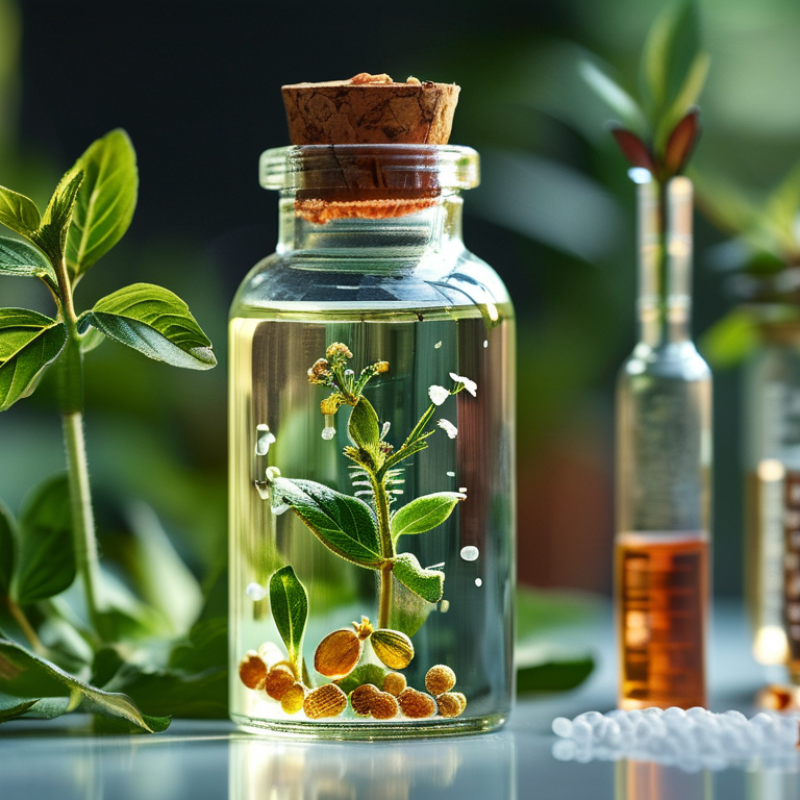
What Makes Plant Extracts Safe to Use?

Botanical Identity: ISO 17025 Testing for Authenticity and Adulteration

What Makes Plant Extracts Safe to Use?

Botanical identity is the first safety checkpoint. A verified plant name is not enough. Laboratories should confirm the species, plant part, geographic source, and harvest details. ISO/IEC 17025 accreditation shows that a laboratory follows assessed procedures, maintains competent staff, and controls measurement quality. It does not make every result automatically correct. That distinction matters.

A 2013 BMC Medicine study examined 44 commercial herbal products. Researchers found that 59% contained DNA from species not listed on their labels. The result exposed a practical weakness: appearance alone can mislead. A robust identity program combines voucher specimens, microscopy, chromatographic fingerprints, and DNA methods where suitable. Each method has limits. DNA may struggle with highly processed extracts. Chromatography may confirm a chemical pattern without proving species identity.

Testing should also include documented chain of custody and reference materials. The USP Botanical Adulterants Prevention Program has published numerous technical reviews on substitution and quality risks across botanical ingredients. These reviews support a cautious approach, not a perfect one. In practice, laboratories should record unexpected peaks, weak matches, and inconclusive findings instead of forcing a pass result. That humility can feel inefficient. It is safer than treating a familiar label as evidence. Reliable identity depends on repeatable methods, transparent records, and independent technical review.

What Makes Plant Extracts Safe to Use?

Botanical identity testing combines orthogonal methods because no single technique can confirm identity, detect every adulterant, and assess all safety risks. ISO/IEC 17025 applies to the competence, impartiality, and consistent operation of the testing laboratory.

The chart shows common analytical applications. A value of 1 indicates that the method is commonly applicable to that testing objective; 0 indicates that the method is not normally sufficient on its own. Final conclusions should use validated methods, reference materials, suitable sampling, and documented laboratory procedures.

Manufacturing Controls: FDA 21 CFR Part 111 Good Manufacturing Practices

What Makes Plant Extracts Safe to Use?

Manufacturing Controls: FDA 21 CFR Part 111 Good Manufacturing Practices

Plant extracts can vary with soil, weather, harvest timing, and storage. Safety begins with controlling this variation. Under FDA 21 CFR Part 111, manufacturers must establish written specifications for identity, purity, strength, composition, and contamination limits. These specifications guide testing from incoming materials to finished products.

A trained quality unit reviews suppliers, examines certificates, and verifies critical test results. Identity testing helps confirm that the correct plant was received. Microbial, heavy metal, pesticide, and solvent testing can reveal hidden hazards. Clean equipment matters too. Residue from a previous batch may create an avoidable risk.

Records should show who performed each step, when it happened, and what changed. Equipment must be maintained and processes must be controlled. Packaging and labels also require careful checks. A small error there can misidentify an otherwise acceptable extract.

Good Manufacturing Practices are practical, not merely paperwork. A visible cleaning log, sealed sample container, or calibrated scale can reflect real discipline. Yet no system is flawless. A checklist may be complete while an employee misunderstands one instruction. Continuous training, deviation reviews, and honest investigations help expose those weaknesses.

The FDA does not pre-approve every dietary supplement before sale. Responsibility remains with the manufacturer to produce safe, properly specified products. Reliable controls make that responsibility measurable. They also create evidence when questions arise.

Contaminant Screening: USP <61> and <62> Microbial Safety Tests

What Makes Plant Extracts Safe to Use?

Contaminant Screening: USP <61> and <62> Microbial Safety Tests

Plant extracts can look clean while carrying invisible microbial risks. Moisture, harvesting conditions, and poor storage may support bacterial or fungal growth. The World Health Organization reports that medicinal plants remain important in primary healthcare for up to 80% of people in some regions. That scale makes consistent quality control essential.

USP <61> evaluates microbial counts in products, including total aerobic microbial count and total yeast and mold count. Acceptance limits depend on the product category and intended use. Results are reported as colony-forming units per gram or milliliter. A crowded agar plate can reveal what the eye cannot.

USP <62> searches for specified microorganisms, such as Escherichia coli, Salmonella species, and Staphylococcus aureus. These tests use enrichment, selective media, and confirmation steps. The objective is not simply to find “low” contamination. Some organisms must be absent in a defined sample size.

Laboratory controls matter. Analysts need validated methods, suitable negative controls, and traceable reference cultures. The United States Pharmacopeia emphasizes method suitability because plant compounds can inhibit microbial recovery. That detail is easy to overlook. It can create a falsely reassuring result.

No screening system is perfect. Sampling remains a weakness. A single jar may not represent an entire batch. Testing should therefore connect with supplier qualification, environmental monitoring, water testing, and documented storage conditions. That is where laboratory data becomes practical safety evidence.

Toxicology Assessment: NOAEL Data and the Standard 100-Fold Safety Factor

Plant extracts are often considered safe only after careful toxicology assessment. A key result is the no-observed-adverse-effect level, or NOAEL. This is the highest tested dose that produces no harmful effects in a study. Researchers examine body weight, organ changes, blood markers, and behavior. The study species and exposure route also matter.

The traditional approach applies a 100-fold safety factor to the NOAEL. Tenfold protection addresses differences between test animals and humans. Another tenfold margin accounts for differences among people, including age, health, metabolism, and sensitivity. For example, a NOAEL of 100 milligrams per kilogram may lead to a proposed human exposure limit near 1 milligram per kilogram. This is not a guarantee.

Not a guarantee.

A strong assessment also checks extract composition, dose duration, and absorption. One batch may contain different levels of active compounds than another. Quality testing should confirm identity, purity, contaminants, and consistency. Toxicologists should compare realistic daily intake with the safety threshold, not just a single laboratory dose. I would also question whether the study lasted long enough. Short studies can miss slow organ effects. The 100-fold factor is useful, but it is not magic. Careful judgment remains necessary when evidence is limited, incomplete, or difficult to apply to real human use.

Human Evidence: Clinical Trials and Pharmacovigilance Adverse-Event Data

What Makes Plant Extracts Safe to Use?
Human Evidence: Clinical Trials and Pharmacovigilance Adverse-Event Data

Human evidence gives safety claims their strongest foundation. Clinical trials can reveal common reactions, dose patterns, and short-term changes in health markers. Researchers may monitor sleep, blood pressure, liver enzymes, or digestive symptoms. These details matter more than broad claims such as “natural” or “gentle.” A well-designed trial also identifies the extract, preparation method, dose, and treatment period. Without that information, results become difficult to apply.

Clinical trials still have limits. Participants may be healthy, carefully screened, and observed for only several weeks. Older adults, pregnant people, and those using multiple medicines may be underrepresented. The evidence can look reassuring while remaining incomplete. Pharmacovigilance adds a wider lens. Doctors, patients, and health professionals can report suspected adverse events after routine use. Repeated reports of jaundice, rash, palpitations, or severe stomach pain may signal a safety concern.

A report does not prove that an extract caused the event. Reviewers examine timing, dose, medical history, laboratory results, and other products used at the same time. Symptoms that improve after stopping may strengthen suspicion, although this process is imperfect. Underreporting also remains a serious weakness. Many mild reactions never reach a database, while unusual events may receive greater attention. Absence of reports is not proof of safety. Transparent records, consistent product testing, and careful clinical follow-up help make the evidence more trustworthy.

What Makes Plant Extracts Safe to Use? — Human Evidence: Clinical Trials and Pharmacovigilance Adverse-Event Data

Plant extract or preparation Human clinical-trial evidence Common adverse events reported in trials Pharmacovigilance or case-report signal Key safety interpretation Evidence sources
Green tea extract
(Camellia sinensis; concentrated preparations)
Randomized trials generally report good short-term tolerability, but study populations and products vary substantially. Risk assessment is more relevant to concentrated extracts than to ordinary brewed tea. Nausea, abdominal discomfort, headache and insomnia may occur. Products containing caffeine can also cause palpitations, anxiety or sleep disturbance. Recognized rare signal
Spontaneous reports and case series have linked concentrated green tea extracts with idiosyncratic liver injury, including hepatocellular injury. A causal relationship is difficult to establish for every individual report.
Liver risk appears uncommon but potentially serious. Avoid use in people with active liver disease and stop use if jaundice, dark urine, severe fatigue or upper-abdominal pain develops. Extract dose, fasting administration and product composition may influence risk. NIH LiverTox: Green Tea
European Medicines Agency herbal information
Kava preparations
(Piper methysticum)
Clinical studies have evaluated kava mainly for anxiety. Some trials report short-term symptom improvement, but trial duration is usually limited and products differ in kavalactone content. Gastrointestinal discomfort, headache, dizziness and drowsiness are reported. Sedation can be additive with alcohol or other central nervous system depressants. Important rare signal
Pharmacovigilance reports and case reports have described clinically significant liver injury, including cases requiring transplantation. Reports have involved different extracts and cannot always be attributed to a single constituent.
Kava should not be treated as risk-free because a product is “natural.” Avoid in liver disease, during pregnancy or breastfeeding, and with alcohol or hepatotoxic medicines unless a qualified clinician advises otherwise. NIH LiverTox: Kava Kava
Cochrane evidence on kava for anxiety
St. John’s wort extract
(Hypericum perforatum)
Numerous randomized trials and systematic reviews have examined standardized extracts for mild-to-moderate depressive symptoms. Trial safety findings are generally favorable for short-term use, but interaction risks are not adequately captured by many trials. Gastrointestinal symptoms, dizziness, fatigue, restlessness and increased sensitivity to sunlight may occur. Strong interaction signal
Pharmacovigilance and clinical pharmacology data support induction of CYP3A4, CYP2C9, CYP2C19 and P-glycoprotein. Reduced exposure has been reported for oral contraceptives, anticoagulants, immunosuppressants, antiretrovirals and other medicines.
Medication reconciliation is essential. Combining it with serotonergic medicines may increase the risk of serotonin toxicity. Product strength and hyperforin content can materially affect interaction potential. NCCIH: St. John’s Wort
European Medicines Agency herbal information
Ginkgo leaf extract
(Ginkgo biloba)
Large randomized studies and systematic reviews have generally found no major excess of serious adverse events compared with placebo when standardized extracts are used for limited periods. Headache, dizziness and gastrointestinal symptoms are among the more frequently reported events. Allergic skin reactions are uncommon. Mixed bleeding signal
Case reports have described bleeding, but controlled human evidence has not consistently demonstrated a clinically important bleeding increase. Risk assessment is more important in people receiving anticoagulants or antiplatelet medicines.
Clinical context matters more than the general safety profile. Consider discontinuation before surgery and monitor for unusual bruising or bleeding when combined with medicines affecting hemostasis. NCCIH: Ginkgo
NIH LiverTox: Ginkgo
Echinacea preparations
(Echinacea species)
Clinical trials for prevention or treatment of upper-respiratory infections show inconsistent efficacy. Short-term studies generally report no important difference in overall adverse-event rates versus control. Gastrointestinal symptoms and unpleasant taste may occur. Rash, itching and other hypersensitivity reactions are possible, especially in people with plant allergies. Limited serious signal
Pharmacovigilance data include allergic reactions, but spontaneous reports do not provide a reliable incidence rate or prove that echinacea caused every event.
Use caution in individuals with known allergies to daisy-family plants. Evidence for prolonged use, pregnancy, breastfeeding and use in autoimmune disease remains limited. NCCIH: Echinacea
European Medicines Agency herbal information
Valerian root preparations
(Valeriana officinalis)
Randomized trials for sleep and anxiety are generally small and heterogeneous. Short-term use has usually shown a tolerability profile similar to placebo, although long-term safety is less well characterized. Headache, dizziness, gastrointestinal upset and next-day drowsiness may occur. Sleepiness can be increased by alcohol or sedative medicines. No consistent severe signal
Sporadic reports include withdrawal-like symptoms, paradoxical agitation and possible liver injury, but the evidence is limited and causality is often uncertain.
Avoid combining with alcohol, opioids, benzodiazepines or other sedatives without medical advice. Do not drive or operate machinery if drowsiness occurs. NCCIH: Valerian
European Medicines Agency herbal information
Saw palmetto extract
(Serenoa repens)
Randomized trials for lower urinary-tract symptoms have generally found adverse-event rates comparable with placebo, although clinical benefit has been inconsistent and products are not uniform. Digestive symptoms, headache and dizziness are reported. Some users report changes in libido, although a causal relationship is not consistently established. No consistent severe signal
Post-marketing reports include bleeding and liver injury, but these events are uncommon and frequently involve concurrent medicines or multiple supplements.
It should not replace medical evaluation of urinary symptoms because prostate cancer and other conditions can present similarly. Review anticoagulant use and liver disease history. NCCIH: Saw Palmetto
NIH LiverTox: Saw Palmetto
Turmeric or curcumin preparations
(Curcuma longa)
Human trials have generally focused on osteoarthritis, pain or inflammatory conditions. Short-term studies usually report mild adverse events, but formulations with enhanced absorption and longer exposure require separate safety assessment. Nausea, diarrhea, dyspepsia and abdominal discomfort are the most common trial-reported events. Emerging liver-injury signal
Case reports and pharmacovigilance analyses have identified rare cases of clinically apparent liver injury, including autoimmune-like patterns. Risk may differ by formulation and bioavailability-enhancing ingredients.
Stop use and seek medical assessment if symptoms of liver injury occur. Extra caution is appropriate with pre-existing liver disease, gallbladder disorders or medicines that affect bleeding. NIH LiverTox: Turmeric
NCCIH: Turmeric
Interpretation note: Randomized clinical trials are useful for estimating common short-term adverse events under defined conditions, whereas pharmacovigilance and case reports can identify rare or delayed signals. Spontaneous-reporting systems cannot determine true incidence, and reported risk may be affected by product composition, dose, duration, co-medications, underlying disease and reporting bias.

FAQS

: Why is botanical identity important for plant extract safety?

: It confirms the species, plant part, geographic source, and harvest details. A familiar label is not proof. Misidentification can introduce unexpected chemicals or contaminants.

What does ISO/IEC 17025 accreditation indicate?

It shows that a laboratory uses assessed procedures and competent staff. It also supports measurement quality and controlled records. It does not guarantee every result is correct.

Which methods can verify a plant extract’s identity?

Useful methods include voucher specimens, microscopy, chromatography, and DNA testing. Each method has limits. DNA may struggle with highly processed extracts. Chromatography may show a chemical pattern without proving species identity.

Why should laboratories document weak or inconclusive results?

Unexpected peaks and weak matches may reveal a quality problem. Forcing a pass result hides uncertainty. That feels inefficient. Honest records support safer decisions and independent review.

What manufacturing controls help protect plant extracts?

Written specifications should cover identity, purity, strength, composition, and contamination limits. Controls should apply to incoming materials and finished products. Clean equipment matters.

What kinds of contamination should manufacturers test for?

Testing may examine microbes, heavy metals, pesticides, and residual solvents. These hazards can remain hidden without targeted analysis. A sealed sample container helps protect test integrity.

Why are records and equipment maintenance important?

Records should identify who performed each step and when. They should also show changes and deviations. Calibrated scales, cleaning logs, and maintained equipment reduce avoidable errors.

Can good manufacturing practices eliminate every safety risk?

No system is flawless. A complete checklist may still hide a misunderstood instruction. Training, deviation reviews, and honest investigations help expose weaknesses. Responsibility remains with the manufacturer.

Conclusion

What makes plant extracts safe to use depends on a structured process that verifies identity, quality, purity, and human tolerability. Botanical identity should be confirmed through scientifically validated ISO 17025 laboratory testing to detect authenticity and possible adulteration. Manufacturing must follow FDA 21 CFR Part 111 Good Manufacturing Practices, ensuring consistent procedures, controlled facilities, accurate documentation, and suitable testing throughout production.

Safety evaluation also requires contaminant screening, including USP <61> and <62> methods for detecting microbial contamination and specified microorganisms. Toxicological assessments examine available NOAEL data and commonly apply a conservative 100-fold safety factor when establishing acceptable exposure levels. Finally, human evidence strengthens the safety profile through well-designed clinical trials and ongoing pharmacovigilance. Monitoring adverse-event reports after use can reveal uncommon or delayed reactions that may not appear during initial studies. Together, these independent safeguards provide a transparent, evidence-based framework for evaluating plant extracts before and during responsible use.

Isabella

Isabella

Isabella is a dedicated marketing professional with a sharp focus on driving brand growth and engagement through strategic content creation. With an extensive background in digital marketing, she combines her passion for storytelling with her keen understanding of industry trends to deliver......