Extracts appear in teas, capsules, tinctures, skincare products, and fortified foods. Their concentration can vary widely. A peppermint leaf in hot water is not equivalent to a standardized peppermint extract.
The botanical extracts market continues to attract investment. Grand View Research’s Botanical Extracts Market Report (2024) identifies rising interest in plant-based wellness and functional ingredients. However, market growth does not prove that every extract works. The World Health Organization’s Global Report on Traditional and Complementary Medicine stresses quality, safety, evidence, and responsible use. These standards matter beside the kitchen shelf.
This guide explores the top 10 types of extracts, including ginger, turmeric, green tea, milk thistle, echinacea, and chamomile. It also explains practical serving formats, label details, preparation methods, and sensible precautions. How to use extracts for daily wellness begins with purpose, not popularity. A morning ginger drink may support a comforting routine, while chamomile may suit an evening ritual. Results differ.
Dr. Tieraona Low Dog, an integrative medicine physician, has repeatedly emphasized, “Natural does not always mean safe.” That warning deserves space. Extracts can interact with medicines, pregnancy, allergies, or existing conditions. Concentrated products may also contain inconsistent amounts of active compounds. NIH’s National Center for Complementary and Integrative Health recommends discussing supplements with qualified healthcare professionals.
Some claims remain stronger than the evidence. That is uncomfortable, but useful. Read the label, check third-party testing, and avoid products promising instant cures. Wellness is rarely dramatic. It often looks like a measured drop, a warm cup, and a decision to keep learning.
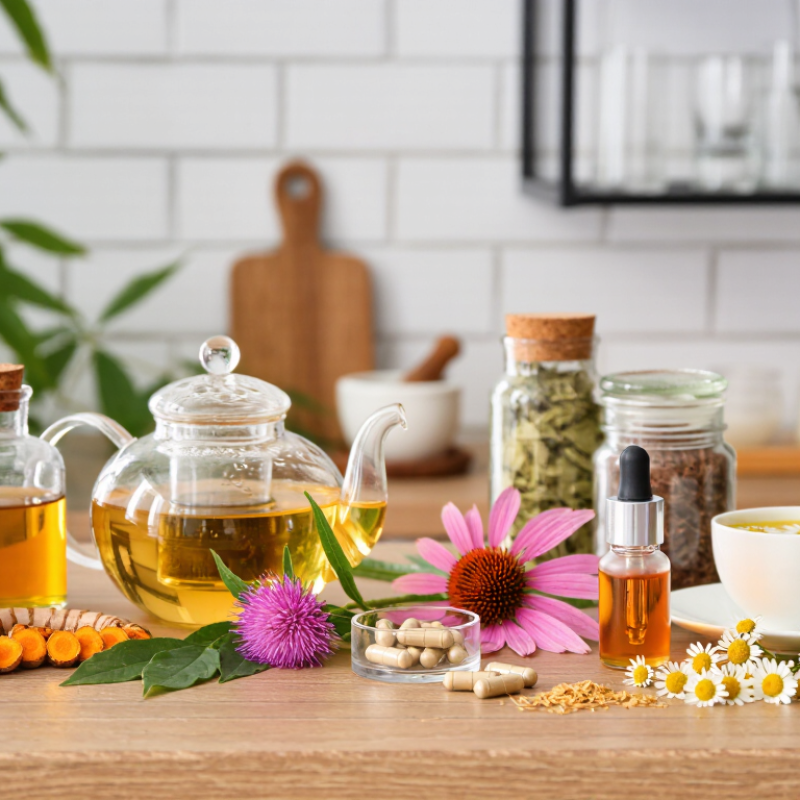
What Extracts Are and How They Differ from Other Ingredients
An extract is not simply a stronger version of an ingredient.
It is a concentrated material made by transferring selected compounds from a plant, fruit, seed, or other source into a solvent. Common solvents include water, ethanol, glycerin, and supercritical carbon dioxide. The method changes the result. Water may draw out sugars and some minerals, while ethanol can recover many aromatic or bitter compounds.
This distinction matters in formulation.
Vanilla, green tea, rosemary, citrus peel, ginger, coffee, aloe, turmeric, chamomile, licorice, and grape-seed extracts may all appear on a label, yet their strength can differ widely. A 10:1 extract means ten parts raw material were processed into one part extract; it does not guarantee ten times the benefit. Standardized extracts offer a clearer measure because they identify marker compounds. Still, marker levels may not represent the full chemical profile.
Industry data shows why extract selection deserves care.
Grand View Research estimated the global botanical extracts market at about USD 3.1 billion in 2023, with continued growth projected through 2030. Meanwhile, the World Health Organization emphasizes quality control for medicinal plant materials, including identity, contamination, and consistency testing. These checks support safer, more reliable use. The label can still mislead. A carrier, residual solvent, extraction ratio, and plant part may be missing. In practical development, I would request a certificate of analysis and verify the species, solvent, batch, and active-compound range before choosing an extract. That extra step is easy to skip—and worth questioning.
The Ten Main Types of Extracts and Their Key Characteristics
Extracts are concentrated materials, but their names can blur together. The ten main types differ by format, chemistry, and intended use.
Liquid extracts dissolve plant compounds in water, glycerin, or alcohol. Dry extracts remove the solvent and suit capsules or sachets. Powdered extracts are often blended into foods, drinks, and personal-care formulas.
Tinctures are liquid preparations designed for measured drops. Standardized extracts contain a declared amount of marker compounds.
Full-spectrum extracts retain a broad range of naturally occurring constituents. Broad-spectrum extracts remove selected compounds while preserving others. Essential-oil extracts contain volatile aromatic molecules and require careful dilution. Oleoresins combine volatile oils with resinous compounds, making them useful in seasonings. Fermented or enzymatic extracts use biological processing to change flavor, solubility, or digestibility.
The categories overlap. That is inconvenient but important.
Grand View Research estimated the global botanical extracts market at about USD 3.7 billion in 2023, with continued growth expected through 2030. This expansion increases the need for evidence, not just attractive labels.
Choose extracts with verified botanical identity, batch testing, contaminant screening, and stability data. Standardized extracts may offer better consistency, while full-spectrum materials can preserve a wider chemical profile. Neither option is automatically superior.
The Food and Agriculture Organization has repeatedly emphasized traceability and good handling practices for botanical materials.
In practice, store liquid extracts in tightly closed containers, protect light-sensitive powders from heat, and follow the supplier’s documented use level. A certificate of analysis helps, but it does not replace independent judgment. A label can still mislead. Always check the extraction solvent, plant part, concentration ratio, and marker-compound method before formulation.
How to Select the Right Extract for Your Intended Use
Top 10 Types of Extracts and How to Use Them?
How to Select the Right Extract for Your Intended Use
Choosing an extract starts with the final application, not the trendiest ingredient. Liquid extracts suit beverages and quick blending. Dry extracts work well in capsules, powders, and solid formulations. Tinctures use alcohol or water, while glycerites use glycerin for a milder profile. Oleoresins provide concentrated flavor. Essential oils are highly volatile and need careful dilution. CO2 extracts can preserve delicate aromatic compounds. Standardized extracts offer a defined marker compound. Full-spectrum extracts retain a broader plant profile. Resinoids deliver dense aroma and color.
The right choice depends on solubility, stability, sensory impact, and dosage accuracy. For water-based drinks, a water-soluble powder usually performs better than an oil-rich extract. For topical products, an oil-compatible extract may be more practical. The European Food Safety Authority emphasizes identity, contaminants, and exposure assessment when evaluating botanical ingredients. Those checks should happen before formulation, not after a complaint.
Market demand also supports careful selection. Grand View Research estimated the global botanical extracts market at about USD 6.5 billion in 2023, with continued growth expected through 2030. Growth does not guarantee quality. Review the extraction solvent, plant part, harvest location, marker compounds, and certificate of analysis. Test color, odor, microbial limits, heavy metals, and batch consistency. I still find that “standardized” can sound more precise than it really is. A marker compound may not represent the whole extract. Small pilot batches reveal problems that spreadsheets miss. Test the real formula under heat, light, and storage conditions.
Step-by-Step Methods for Using Extracts in Food, Beauty, and Wellness
Extracts concentrate the character of plants, spices, fruits, or flowers. Common types include vanilla, almond, citrus, mint, ginger, turmeric, green tea, chamomile, rose, and rosemary. Their uses differ, so read the label before measuring. Food extracts should be clearly marked food-grade. Never treat essential oils as cooking extracts.
For food, choose one extract that matches the recipe. Add a small amount after mixing the main ingredients. Taste, then adjust gradually. Vanilla can soften a warm dessert, while citrus extract can brighten yogurt or icing. Keep a clean spoon nearby and record the amount used. I once added too much mint extract to a sauce; the flavor became sharp and medicinal. Measure carefully. Store opened bottles away from heat and light.
For beauty, select a product formulated for skin rather than a kitchen extract. Cleanse and dry a small area first. Apply a tiny amount, then watch for redness, itching, or burning for 24 hours. Patch test first. Avoid broken skin and the eye area. For wellness routines, use only products with clear ingredient lists and practical directions. Do not assume chamomile, turmeric, or green tea extracts can treat illness. Evidence and concentration vary. People with allergies, pregnancy concerns, or ongoing treatment should ask a qualified healthcare professional. A cautious routine may feel slower, but it is easier to evaluate and safer to change.
Top 10 Types of Extracts and Their Common Applications
The chart shows how many of the three areas—food, beauty, and wellness—commonly use each extract type. A higher score indicates broader everyday application.
Use food-oriented extracts such as vanilla, ginger, citrus peel, and rosemary in recipes and beverages.
Beauty-focused options including aloe vera, green tea, chamomile, and coffee are commonly used in topical formulas.
Turmeric, peppermint, and other aromatic extracts are often incorporated into wellness products, beverages, and personal-care preparations.
Storage, Dosage, Safety, and Common Mistakes to Avoid
Top 10 Types of Extracts and How to Use Them
Extracts include tinctures, glycerites, fluid extracts, dry powders, resins, and standardized forms. They also include oil-based, water-based, and CO2 extracts. Each type differs in strength, absorption, and storage needs. A liquid tincture may require shaking before use. A dry extract often needs careful measuring. Follow the product label and consult a qualified healthcare professional, especially when taking medicines, managing pregnancy, or living with liver or kidney conditions. More is not automatically better.
Store extracts according to their formulation. Keep most products tightly closed, away from heat, sunlight, moisture, and children. Refrigeration may help some preparations, but it can damage others or cause separation. Check the label before chilling anything. Dosage should begin at the lowest labeled amount, not an improvised spoonful. Use a marked dropper or scale when appropriate. Never assume two extracts have equal strength. Concentration can vary widely.
Tips: Write the opening date on the container. Inspect changes in smell, color, texture, or clarity. Do not use a product that looks spoiled. Avoid mixing several new extracts at once; reactions become difficult to trace. A common mistake is treating “natural” as automatically safe. It is not. Another oversight is ignoring alcohol content in tinctures. I would also question vague labels, even when the packaging looks professional. Reliable products should identify plant material, extract ratio, batch details, and expiration guidance. Keep a simple usage record. It may reveal that your routine needs reconsideration.
Safety note: Dosage ranges are general educational examples, not universal recommendations. Extract strength, plant species, plant part, solvent, extract ratio, standardization, and intended use can change the appropriate dose substantially. Consult a qualified healthcare professional before use if pregnant, breastfeeding, under 18, taking prescription medicines, preparing for surgery, or managing a chronic condition. Stop use and seek medical advice if an allergic or severe reaction occurs.
Interpretation note: “Extract” is a broad term. Always verify the botanical name, plant part, extraction solvent, extract ratio, standardized constituent, serving size, expiration date, and storage instructions on the specific product.
Conclusion
Extracts are concentrated preparations made by drawing desirable compounds from plants, herbs, fruits, spices, or other natural materials. Unlike whole ingredients, extracts may offer stronger flavor, aroma, color, or functional properties in smaller amounts. This overview introduces ten common types, including liquid, powder, glycerin-based, oil-based, water-based, alcohol-free, botanical, fruit, spice, and aromatic extracts, while explaining their main characteristics and typical applications.
Choosing the right extract depends on its purpose, strength, compatibility, and intended audience. The article provides step-by-step guidance for incorporating extracts into foods, skincare routines, and general wellness practices, including how to measure, dilute, mix, and test them responsibly. It also explains storage conditions, practical dosage considerations, allergy awareness, labeling, and common mistakes such as overuse, poor compatibility, or improper storage. Readers will also learn How to use extracts for daily wellness through careful selection, moderate use, and consistent attention to safety.

 Debaoyi Natural Plants