The demand for herbal extracts has surged, with the global herbal supplement market projected to reach $400 billion by 2025. As consumers seek natural remedies, the risk of encountering low-quality herbal extracts increases. Buyers often lack the knowledge to distinguish between high and low-quality offerings. Thus, understanding how to avoid low-quality herbal extracts is crucial for making informed decisions.
Recent studies indicate that up to 30% of herbal products on the market may not contain the ingredients listed on their labels. This alarming statistic underscores the need for increased vigilance. Impurities, incorrect species, or substandard processing methods can significantly impact the effectiveness of herbal supplements. Knowledge of reputable sourcing and production practices can safeguard consumers from these issues.
Trustworthy brands prioritize quality through transparency and rigorous testing. Third-party certifications and comprehensive lab reports are indicators of high-quality extracts. As a buyer, taking the time to research makes a difference. Knowing where herbs are sourced and how they are processed contributes to a better purchasing experience. Prioritize quality over convenience; it pays off in health benefits.
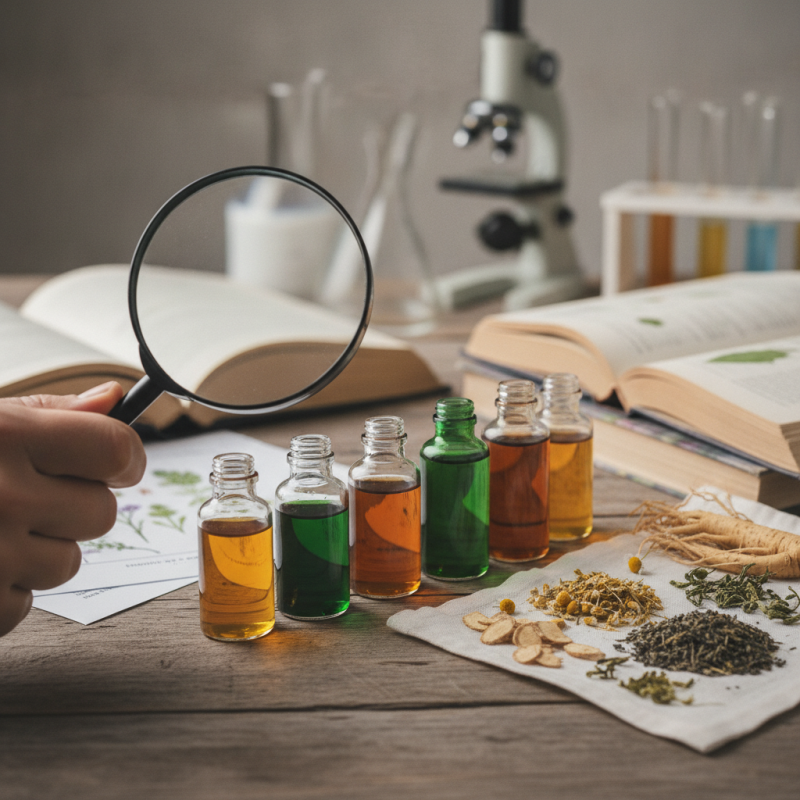
When it comes to herbal extracts, understanding quality standards is crucial. High-quality extracts should maintain the essential compounds of the plant. Look for products that specify their extraction methods. Methods like steam distillation or cold pressing are preferred. These methods help preserve the plant’s beneficial properties.
Visual indicators can also signify quality. A rich color often suggests a well-prepared extract. Be wary of overly diluted or pale products. They may lack potency and effectiveness. Lab testing is another crucial aspect. Certificates of analysis can confirm the strength and purity of an extract. Without this, buyers face a gamble on quality.
Finally, consider the source of your herbs. Sustainable harvesting practices enhance the quality of the extract. Check if the supplier is transparent about their sourcing methods. Authenticity is vital; look for suppliers who educate their consumers. Quality checks and authenticity lead to better health outcomes in herbal supplementation.
In the pursuit of quality herbal extracts, identifying authentic sources is crucial. Start by researching suppliers who prioritize organic and sustainable practices. Authentic sources often provide transparency about their sourcing methods. Look for certifications that confirm their commitment to quality. This can indicate that the herbs are grown in optimal conditions, free from harmful chemicals.
Engaging with knowledgeable practitioners can also enhance your understanding. They often have insights into reputable sources. Yet, be cautious. Not all practitioners may have up-to-date information. Reviews from other buyers can provide valuable perspectives too. Pay attention to the details in feedback. Authentic sources frequently have consistent positive mentions regarding their products’ effectiveness and purity.
However, even with diligent research, misleading claims may still arise. Always question extravagant promises and scrutinize product labels. A deep commitment to transparency from a supplier should be evident. It’s essential to remain vigilant, as not every appealing product is genuine. Reflecting on your purchasing decisions can lead to better choices in the future.
Herbal extracts vary widely in quality, often depending on the extraction methods used. Many buyers overlook this crucial aspect when selecting products. For instance, a report by the American Herbal Products Association indicates that improper extraction can strip essential compounds, greatly affecting potency. Knowledgeable consumers should look for extraction methods that maximize beneficial constituents while minimizing solvents or additives.
Different extraction techniques, such as steam distillation and cold pressing, yield varying results. A study from the Journal of Ethnopharmacology found that alcohol extraction retains more active ingredients compared to water-based methods. Buyers should be aware that not all products labeled as "natural" are created equally. Techniques like supercritical CO2 extraction rank high for preserving bioactivity, yet they remain underutilized.
It’s crucial to reflect on the certifications provided by suppliers. A lack of third-party testing raises red flags. Transparency in sourcing and processing can significantly indicate quality. Companies that provide detailed extraction methodologies are often more trustworthy. Buyers must ask questions and seek out reputable suppliers committed to quality assurance.
When assessing herbal extract vendors, transparency is key. Look for clear information about sourcing and processing methods. Vendors should ideally provide detailed descriptions of their extraction techniques. High-quality extracts often come from reputable suppliers who emphasize transparency.
Certifications can serve as a valuable indicator of quality. Examine if the vendor has third-party certifications. These certifications can include organic, non-GMO, or quality assurance seals. They indicate adherence to industry standards and best practices. Still, remember that not all certifications guarantee purity or efficacy. Knowledge of industry benchmarks is useful when evaluating claims.
Take time to research and compare different vendors. Their online presence can tell you a lot. An informative and well-designed website usually reflects a commitment to quality. Reach out for clarifications if needed. Vendors who avoid questions may not prioritize quality or customer satisfaction. Evaluating transparency and certifications helps in making informed purchasing decisions.
This chart illustrates various factors contributing to the quality assessment of herbal extracts. Each factor is scored based on its importance in ensuring the reliability and safety of the products.
Understanding common adulterants in herbal extracts is essential for buyers. Low-quality products can compromise health benefits and safety. Various substances may be mixed into herbal extracts, diluting their potency. Knowing these can help you make informed choices.
One tip is to look for color variations. Authentic herbal extracts have consistent colors. If a product looks unusually bright, it may indicate artificial additives. Another tip is to check for impurities. High-quality extracts should be free from foreign particles. Unexpected residues could signal contamination.
Additionally, research the sourcing of the herbs. Many low-quality extracts come from unregulated sources. Local, trusted suppliers are preferable. Remember, the more you know, the better your choices will be. Investing time in research pays off. Choosing wisely ensures you receive the full benefits of herbal extracts.
| Tip Number | Tip | Common Adulterants | Detection Method |
|---|---|---|---|
| 1 | Research the Manufacturer | Synthetic colorants | Visual inspection |
| 2 | Check for Third-Party Testing | Heavy metals | Lab analysis |
| 3 | Look for Certification and Labels | Fillers | Chemical analysis |
| 4 | Read Customer Reviews | Oils | Solvent extraction |
| 5 | Evaluate the Price | Starch | Enzymatic testing |
| 6 | Inspect Packaging | Artificial sweeteners | Taste testing |
| 7 | Consult Herbal Specialists | Tannins | Chromatography |
| 8 | Look for a Comprehensive Ingredient List | Silica | Infrared spectroscopy |
| 9 | Request Certificates of Analysis | Peppers | Microscopy |
| 10 | Understand the Extraction Process | Non-plant additives | Analytical chemistry |
: Look for extraction methods that preserve plant compounds. Methods like steam distillation are preferred.
Visual indicators are essential. Rich colors often suggest better preparation; avoid pale or diluted products.
Lab testing confirms strength and purity. Without certificates of analysis, buyers risk poor quality.
Transparency about sourcing and processing helps ensure quality. Trustworthy vendors provide detailed extraction techniques.
No, extraction methods vary in effectiveness. Techniques like supercritical CO2 are better at preserving bioactivity.
Not all certifications guarantee purity. Research and know industry benchmarks for better evaluation.
Sustainable harvesting practices enhance extract quality. Suppliers should be open about their sourcing methods.
If a vendor avoids questions, it may indicate a lack of commitment to quality or customer service.
Labels can be misleading. It's essential to verify extraction methods and vendor claims for assurance.
Choose products backed by lab tests and reputable suppliers. Knowledgeable choices lead to better health outcomes.
Ensuring the quality of herbal extracts is crucial for buyers looking to maximize the benefits of herbal products. This article provides essential tips on how to avoid low-quality herbal extracts by understanding herbal extract quality standards, which serve as the foundation for assessing product efficacy. Buyers are encouraged to identify authentic sources, as the origin of herbal materials directly impacts their quality.
Additionally, it's important to analyze extraction methods, as these can vary significantly and influence the potency of the final product. Evaluating vendor transparency and certifications can also offer insights into their commitment to quality. Lastly, building knowledge on common adulterants in herbal extracts helps buyers remain vigilant and make informed choices. By following these guidelines, consumers can enhance their herbal experience and ensure they are purchasing high-quality products.

Debaoyi Natural Plants