In recent years, the beauty and wellness industry has witnessed a growing trend towards natural ingredients. One primary focus is on plant extracts. Experts in this field, like Dr. Susan Baker, a renowned herbalist, emphasize their significance. “Plant extracts provide essential nutrients and healing properties,” she states. This statement highlights why many brands prioritize these ingredients in their formulations.
Why are plant extracts used in products? They offer unique benefits, enhancing everything from skincare to dietary supplements. These extracts are rich in antioxidants and vitamins, which often outperform synthetic alternatives. They can soothe irritation and nourish the skin, leading to healthier, glowing complexions. However, not all plant extracts are safe or effective. The quality varies greatly, making sourcing critical.
Consumers increasingly seek transparency about ingredient origins. They are more aware, and demand for knowledge around formulations is high. This shift pushes brands to prioritize plant extracts that are sustainably sourced and scientifically validated. Balancing consumer expectations with reality is challenging. Yet, the power of plants remains one of nature's most effective solutions.
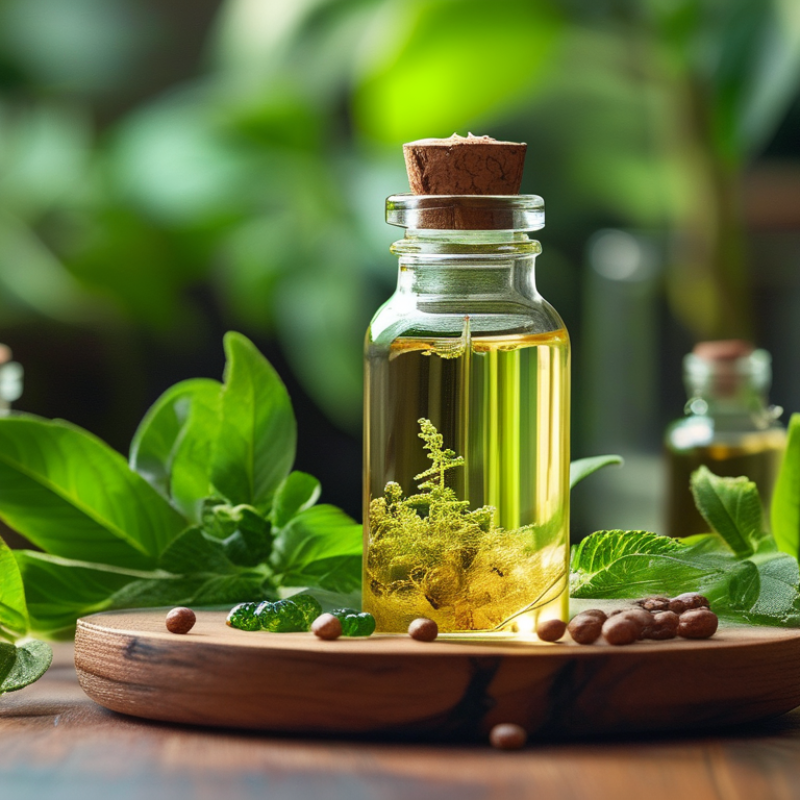
In modern skincare formulations, plant extracts play a vital role. These natural ingredients are rich in antioxidants, vitamins, and other essential compounds. They can provide hydration and promote skin healing, making them a popular choice in formulations.
Many consumers seek products with plant-derived ingredients. For instance, chamomile extract is known for its soothing properties. It can calm irritated skin and reduce redness. Aloe vera, another well-known extract, offers a refreshing touch. Its hydrating qualities are beneficial for dry skin types. Meanwhile, green tea extract packs a punch with its antioxidant benefits.
Despite the advantages, not all plant extracts are suitable for every skin type. Some may cause allergic reactions or sensitivity. It's crucial for formulators to be mindful of these factors. The effectiveness of an extract can also vary based on its concentration and extraction method. This inconsistency can lead to mixed results in products. As the industry evolves, ongoing research is necessary to optimize plant extracts for diverse skin needs.
In recent years, the debate between plant extracts and synthetic ingredients has intensified. Many consumers prefer natural options due to perceived safety. Plant extracts often contain antioxidants and essential nutrients. These compounds can enhance skin health, providing hydration and protection. For instance, aloe vera possesses soothing properties that promote healing.
On the other hand, synthetic ingredients are often praised for their consistency and potency. They can target specific issues effectively, such as acne or aging. However, some may cause irritation or allergic reactions in sensitive individuals. The long-term effects of synthetic materials are still under scrutiny. Research continues to explore the potential risks they pose.
Yet, plant extracts have a history of safe use. Traditional medicine often relies on these natural sources. Still, the efficacy of extracts varies widely based on extraction methods and plant quality. This inconsistency is a point to consider. Balancing science and nature remains a challenge for developers. A deeper understanding is essential to maximize benefits for consumers.
The rising popularity of natural ingredients in cosmetics reflects a significant market trend. Consumers are increasingly seeking products that align with their desire for purity and sustainability.
Plant extracts play a crucial role in this shift. They offer unique benefits, and many users trust them more than synthetic alternatives. Studies show that ingredients derived from plants often contain antioxidants and anti-inflammatory properties.
The demand for natural formulations is not just a trend; it's becoming a standard expectation. Many brands now highlight the inclusion of plant extracts on their labels. This shift is driven by a growing awareness of the potential harmful effects of synthetic chemicals. However, sourcing and processing these extracts can be complex. Some companies may struggle to ensure authenticity and sustainability.
Educating consumers about these natural ingredients is vital. They need to understand the benefits and potential limitations of plant extracts. Transparency is key in building trust. Brands should share information about their ingredients and sourcing practices. This fosters a sense of reliability and expertise. The focus on natural ingredients signals a larger movement towards mindful consumption.
Consumers can leverage their purchasing power for healthier, cleaner choices.
Plant extracts have gained popularity in various health and wellness products. Scientific evidence reveals their potential benefits. These extracts are rich in bioactive compounds. These compounds can reduce inflammation, combat oxidative stress, and promote skin health. For instance, studies show that flavonoids found in plant extracts can help support cardiovascular health.
Moreover, certain plant extracts are known to enhance immunity. Research highlights the role of phytochemicals in boosting immune responses. They work by modulating immune functions and increasing the body's resilience. Plant extracts like echinacea and elderberry have shown promise in supporting respiratory health.
However, not all extracts are equal. The extraction process can impact their effectiveness. Some may lose potency due to poor extraction methods. It’s crucial for consumers to understand this. Quality varies across products, and not every plant extract holds the same benefits. Continued research is essential for identifying the most effective methods. The path to integrating plant extracts in health products should be paved with reliable scientific evidence.
The environmental impact of plant-based products is becoming increasingly significant. According to the 2022 report by the World Economic Forum, plant-derived ingredients have a far lower carbon footprint than synthetic alternatives, reducing greenhouse gas emissions by up to 70%. This staggering reduction illustrates how transitioning to plant extracts can contribute to a sustainable future.
Using plant extracts not only minimizes environmental harm but also promotes biodiversity. A study published in the Journal of Sustainable Agriculture highlights that incorporating native plant species in products helps preserve local ecosystems. However, the harvest of these plants must be managed responsibly to avoid overexploitation. Ethical sourcing ensures that communities benefit, but it requires vigilance and a commitment to sustainable practices.
On the other hand, the rapid growth in demand for plant-based products creates challenges. Over-reliance on specific crops can lead to monocultures, which harm soil health and biodiversity. Addressing these issues calls for a diversified approach. Brands and consumers alike must be aware of the ecological consequences of their choices. Investing in research and embracing a circular economy can help mitigate these risks while promoting sustainability.
: Plant extracts like aloe vera contain antioxidants and essential nutrients that enhance skin health. They provide hydration and protection.
Synthetic ingredients are often more potent and consistent, targeting specific skin issues like acne or aging effectively.
Some synthetic ingredients may cause irritation or allergic reactions in sensitive individuals. Long-term effects are still under investigation.
The effectiveness of plant extracts can vary due to extraction methods and plant quality. Not all extracts provide the same benefits.
Certain plant extracts, like echinacea and elderberry, can enhance immunity by modulating immune functions and increasing resilience.
Plant-derived ingredients typically have a lower carbon footprint than synthetic options, reducing greenhouse gas emissions significantly.
Responsible harvesting of plant extracts is crucial to avoid overexploitation. Ethical sourcing benefits local communities and ecosystems.
No, some plant extracts may lose potency due to poor extraction processes. Quality varies widely across products.
High demand can lead to monocultures, threatening soil health and biodiversity. Diversification is needed for sustainable practices.
Brands and consumers should invest in research and embrace a circular economy to mitigate ecological risks while promoting sustainability.
The article "10 Reasons Why Plant Extracts Are Essential in Products" explores the crucial role of plant extracts in modern skincare formulations. It highlights their efficacy compared to synthetic ingredients, indicating that natural extracts often provide enhanced benefits without harmful side effects. The growing market demand for natural ingredients reflects a shift towards more sustainable and ethical practices in the cosmetics industry. Furthermore, scientific evidence supports the numerous health benefits of plant extracts, reinforcing their importance in both skincare and wellness products.
In addressing the question, "Why are plant extracts used in products," the article emphasizes that these extracts not only align with consumer preferences for natural solutions but also contribute significantly to environmental sustainability. The integration of plant-based products fosters a more ethical approach to beauty and health, making them indispensable in today’s product offerings.

Debaoyi Natural Plants