10 Reasons Why Herbal Extracts Are Popular in Skincare?

Time:2026-05-19 Author:Henry
0%

In recent years, herbal extracts have gained significant traction in skincare. Many products now feature plant-based ingredients, catering to a growing demand for natural solutions. With this rising popularity, the question arises: why are herbal extracts popular in skincare?

Herbal extracts are celebrated for their potential health benefits. They often provide antioxidants, vitamins, and anti-inflammatory properties. These elements can promote healthier skin and combat signs of aging. Moreover, many users appreciate the gentle nature of these ingredients. Unlike synthetic chemicals, herbal extracts can minimize irritation and adverse reactions. This fosters a sense of trust among consumers.

However, not all herbal extracts are created equal. Some products may be marketed as natural but contain additives that dilute their efficacy. It's essential to research brands and understand ingredient sourcing. The emphasis on authenticity in skincare is growing. Consumers are increasingly looking for reliable sources of herbal extracts. As the industry evolves, ongoing scrutiny is necessary. Only then can we truly understand why herbal extracts remain popular in skincare.
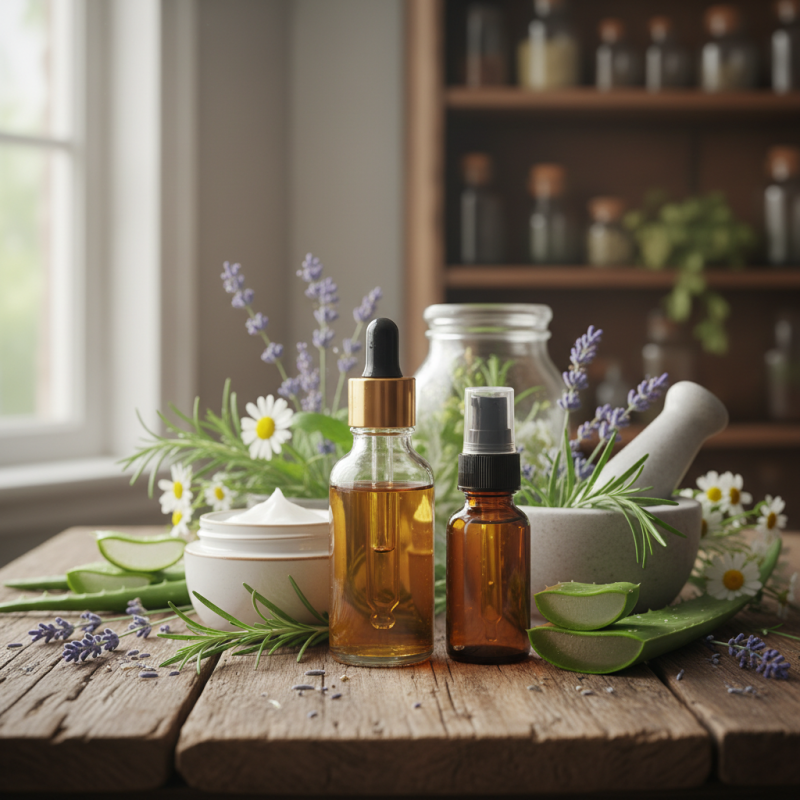
10 Reasons Why Herbal Extracts Are Popular in Skincare?

Benefits of Natural Ingredients in Skincare Formulations

Herbal extracts have gained significant traction in skincare due to their natural benefits. Many people prefer these ingredients because they are gentler on the skin. Unlike synthetic compounds, herbal extracts often have soothing properties. For instance, chamomile and lavender are known for their calming effects. They help reduce redness and irritation. These plant-based ingredients can also be rich in antioxidants, promoting healthy skin.

The appeal of natural ingredients lies in their multi-faceted benefits. Aloe vera is famous for its hydrating properties. It provides moisture without clogging pores. Meanwhile, green tea extract helps fight signs of aging due to its anti-inflammatory effects. However, the effectiveness of these extracts can vary from person to person. Some individuals might experience allergic reactions. This unpredictability highlights the importance of patch testing any new product.

Consumers are increasingly aware of ingredient sourcing. Demand for ethical and sustainable practices is rising. Many prefer products that tell a story about where they come from. Transparency in formulations builds trust, but it’s vital to scrutinize claims on packaging. The herbal skincare trend encourages exploring options but also requires critical thinking. This journey of discovery can be both rewarding and challenging.

Popularity of Herbal Extracts Among Consumers

The popularity of herbal extracts among consumers is on the rise. Many people seek natural ingredients for their skincare routines. There is a growing awareness of the benefits that plant-based extracts can provide. These products often contain fewer synthetic chemicals, appealing to health-conscious individuals.

Research shows that herbal extracts can offer additional advantages for the skin. They may contain antioxidants, which help combat free radicals. Some extracts, like aloe vera and chamomile, are known for their soothing properties. Consumers appreciate these natural remedies, often viewing them as gentler and more effective than traditional treatments.

Despite their popularity, not all herbal extracts deliver the promised results. Variability in formulations can lead to inconsistency in efficacy. Additionally, some consumers may experience allergies or sensitivities to certain plants. This highlights the importance of careful selection and patch testing before widespread use. Understanding one’s own skin type and needs is crucial in the journey to effective skincare with herbal extracts.

Popularity of Herbal Extracts in Skincare

Influence of Traditional Medicine on Modern Skincare Trends

The influence of traditional medicine on modern skincare is profound. According to a report by Grand View Research, the global herbal skincare market is expected to reach $21.3 billion by 2027. This surge can be traced back to the time-honored practices of various cultures. Many consumers are seeking natural, safer alternatives to chemical-based products. Herbal extracts offer rich benefits, which have been documented for centuries in many cultures.

Incorporating traditional botanical ingredients in skincare fulfills a desire for authenticity. For instance, aloe vera and green tea have gained recognition for their soothing properties. Research indicates that 72% of skincare consumers prefer products derived from natural sources. This preference underlines a shift towards holistic wellness, influenced by ancient remedies. Yet, there are challenges. Not all herbal extracts are effective, and some can trigger allergies. It is essential for consumers to educate themselves about these products.

Moreover, while many brands tout herbal benefits, not all claims are backed by solid research. A 2020 study highlighted that regulation in herbal skincare remains limited. Transparency and quality control are crucial. As the industry evolves, ensuring efficacy and safety should be a priority. Traditional medicine’s legacy continues to shape modern skincare, but cautious exploration is necessary.

Eco-Friendly and Sustainable Aspects of Herbal Extracts

Herbal extracts have become prominent in skincare due to their eco-friendly and sustainable attributes. A recent report from the Global Wellness Institute highlights that 72% of consumers prefer products that utilize natural ingredients. This preference reflects a growing awareness of environmental issues associated with synthetic chemicals in cosmetics.

The production of herbal extracts often requires less energy and fewer resources than synthetic counterparts. Studies indicate that organic herbal farming reduces the carbon footprint. However, it's essential to note that over-harvesting certain plants can lead to biodiversity loss. Balancing sustainable sourcing with consumer demand poses a challenge for the industry.

Many herbal extracts are biodegradable, contributing to lower waste in landfills. However, sourcing must also consider ethical practices. Reports show that transparency in supply chains is vital, as 54% of consumers prioritize brands that ensure fair trade. While the benefits are clear, the industry must remain vigilant against unsustainable practices and strive for continual improvement.

Efficacy and Safety of Herbal Extracts in Skin Treatments

Herbal extracts have gained traction in skincare, primarily due to their efficacy and safety in skin treatments. Numerous studies highlight their benefits. For instance, a report from the National Center for Biotechnology Information indicates that aloe vera extract significantly improves skin hydration and elasticity. This can be particularly beneficial for aging skin, which often loses moisture.

Another study published in the Journal of Ethnopharmacology reveals that green tea extract possesses potent antioxidant properties. It combats oxidative stress, helping to reduce inflammation and signs of aging. While herbal extracts are celebrated for these benefits, caution is necessary. Some individuals may experience allergic reactions. Approximately 10% of patients report sensitivity to certain herbal ingredients, emphasizing the need for patch testing before widespread use.

The advantages of herbal extracts extend beyond their natural origins. The World Health Organization underscores that many traditional herbal remedies have undergone scientific validation. However, it’s essential to remain critical. Not all herbal treatments are created equal, and quality can vary significantly. Third-party testing and reputable sources can mitigate risks associated with efficacy and safety.

10 Reasons Why Herbal Extracts Are Popular in Skincare

Reason Efficacy Safety
Natural Ingredients Gentle on the skin Lower risk of allergic reactions
Antioxidant Properties Helps fight skin aging Generally safe for daily use
Anti-inflammatory Effects Reduces redness and irritation Minimal side effects
Hydration Improves skin moisture levels Safe for all skin types
Antimicrobial Properties Helps prevent acne Low toxicity
Soothing Effects Calms irritated skin Non-irritating
Brightening Effects Enhances skin tone Safe with proper formulations
Eco-Friendly Sustainable harvesting practices Supports environmental wellness
Customizable Formulations Tailored skincare solutions Safe for personalized care
Traditional Use Proven across generations Well-researched safety profiles

FAQS

: What are the benefits of using herbal extracts in skincare?

: Herbal extracts are gentler on the skin and often have soothing properties. They can help reduce redness and irritation.

How do natural ingredients like aloe vera benefit the skin?

Aloe vera provides moisture without clogging pores. It is known for its hydrating properties, keeping skin healthy.

Are all herbal extracts effective for everyone?

Effectiveness varies from person to person. Some may experience allergic reactions, highlighting the need for patch testing.

Why is ingredient sourcing important for consumers?

Consumers are increasingly aware of ethical sourcing. Transparency builds trust and adds value to products based on their origins.

Are there risks associated with using plant-based skincare?

Yes, not all herbal extracts deliver the promised results. Some consumers may have allergies or sensitivities to certain plants.

How does traditional medicine influence modern skincare trends?

Traditional herbal practices shape consumer preferences for natural products. They seek safer alternatives to chemical-based skincare.

What challenges do consumers face in finding effective herbal products?

The variability in formulations can lead to inconsistency. Consumers need to educate themselves about the effectiveness of extracts.

How can consumers ensure safety in herbal skincare?

It is important to perform patch tests. Understanding one’s skin type is crucial for selecting suitable herbal products.

What should consumers be aware of regarding herbal claims?

Not all claims are supported by research. It's essential to scrutinize packaging and be critical of advertised benefits.

How can consumers approach the herbal skincare journey?

Exploration can be rewarding but may require careful selection. Balancing curiosity with caution is key to effective skincare.

Conclusion

Herbal extracts have gained significant popularity in skincare due to their numerous benefits derived from natural ingredients. Consumers are increasingly drawn to formulations that harness the power of plants, appreciating their efficacy in addressing various skin concerns while minimizing adverse reactions. This shift towards natural beauty products reflects a broader trend influenced by traditional medicine practices, where herbal remedies have been used for centuries to promote skin health.

Moreover, the eco-friendly and sustainable aspects of herbal extracts resonate with the growing consumer preference for environmentally conscious choices. As people become more aware of the impact of their purchases, the demand for safe, effective, and sustainable skincare solutions continues to rise. Thus, when considering the question of "Why are herbal extracts popular in skincare," it is evident that their holistic benefits, rooted in tradition and sustainability, play a crucial role in their appeal among modern consumers.

Henry

Henry

Henry is a dedicated marketing professional with a profound expertise in the company's offerings. With years of experience in the industry, he possesses an impressive understanding of the market dynamics and consumer behaviors that drive success. Henry is committed to sharing his insights through......