The rise of organic products has sparked many conversations. One crucial question arises: "Why are organic extracts better quality?" Organic extracts are derived from plants grown without synthetic pesticides or fertilizers. This method enhances the purity of ingredients. Consumers often believe that these extracts are more potent and beneficial.
Research shows that organic farming promotes healthier soil. This leads to better nutrient absorption by plants. As a result, organic extracts often contain higher concentrations of essential compounds. Moreover, organic methods can yield fewer harmful chemicals in final products. These factors contribute to the perception of superior quality.
However, not all organic extracts are created equal. Some brands may exaggerate their claims. Consumers should look for certifications and testing information. This ensures the authenticity of organic products. Even within organic labeling, quality can vary significantly. It's essential to critically evaluate these products to make informed choices.
What Are Organic Extracts and Their Sources?
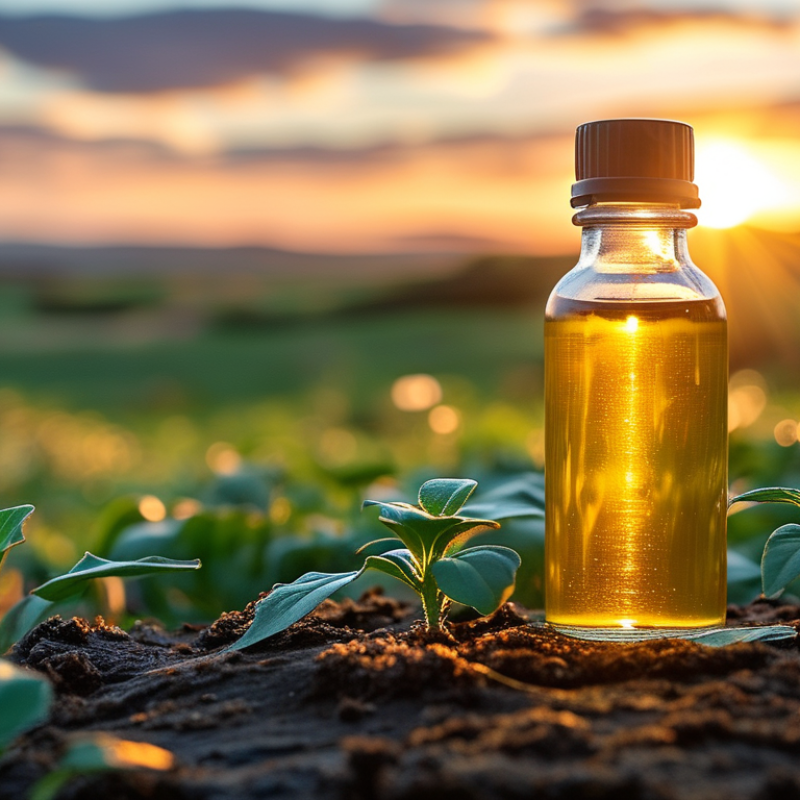
Organic extracts come from plants that are grown without synthetic pesticides, herbicides, or fertilizers. These extracts retain essential nutrients, increasing their potency. Common sources include herbs, fruits, and flowers. They offer a pure alternative to synthetic ingredients, beloved in skincare and food industries.
Tips: When choosing products, seek items labeled as "organic." Always check ingredient lists for authenticity. Be cautious of misleading claims.
The extraction process matters. Cold pressing or steam distillation is preferred for preserving volatile compounds. However, some cheap methods compromise quality. Not all organic extracts are equal; even within these products, quality can vary widely.
Tips: Research extraction methods. Understanding how your ingredients are sourced can elevate your product choices. Familiarize yourself with reputable suppliers to ensure quality.
While organic extracts boast advantages, they are not magic solutions. Individual reactions to organic ingredients can vary. Some may experience allergies or sensitivities. Always perform a patch test before full application.
The Process of Extracting Organic Ingredients
The process of extracting organic ingredients is both intricate and essential for product quality. Organic extracts are derived from plants, without synthetic chemicals. This commitment leads to higher-quality products. Research shows that products using organic extracts often contain more active compounds. These compounds are crucial for effectiveness. A study by "The Organic Trade Association" found that organic ingredients possess higher antioxidant levels. This suggests better health benefits for consumers.
Extraction methods vary widely. Cold pressing and steam distillation are popular for maintaining purity. These techniques avoid high heat that can degrade vital components. However, not all methods guarantee quality. Some extraction processes may result in lower-quality outcomes. For example, using solvents can introduce unwanted residues that compromise integrity. Transparency in sourcing and processing is therefore vital.
The variability in organic extraction raises questions. How can consumers discern quality? Certifications exist, but they aren’t uniform across the industry. Understanding the extraction process can guide consumer choices. As awareness grows, so does the demand for transparency. This shift may lead to better practices within the industry, benefiting both producers and consumers alike.
Why Are Organic Extracts Considered Higher Quality in Products? - The Process of Extracting Organic Ingredients
| Extract Type |
Source |
Extraction Method |
Purity Level (%) |
Applications |
| Lavender Extract |
Lavandula angustifolia |
Steam Distillation |
95 |
Aromatherapy, Skincare |
| Peppermint Extract |
Mentha piperita |
Cold Pressing |
98 |
Food Flavoring, Herbal Remedies |
| Chamomile Extract |
Matricaria chamomilla |
Maceration |
90 |
Skincare, Herbal Tea |
| Rosemary Extract |
Rosmarinus officinalis |
Supercritical CO2 Extraction |
97 |
Antioxidant Supplement, Culinary Use |
Comparison of Organic vs. Conventional Extracts
When comparing organic and conventional extracts, a few key factors emerge. Organic extracts often come from plants grown without synthetic pesticides or fertilizers. This means fewer chemicals are involved in the farming process. As a result, the final product tends to retain more nutrients and beneficial compounds. Consumers often view these attributes as signs of quality.
However, the story is not just black and white. Conventional extracts may offer higher yields and lower costs due to farming practices. Some argue that organic standards can limit the types of sustainable practices available. The actual benefits can vary significantly based on the farming methods and local conditions. Every source of extract has its own unique characteristics, complicating direct comparisons.
Another minor consideration is how the extraction process can affect quality. Some conventional methods may use solvents that leave residues. Organic at times utilizes gentler methods, which can lead to purer extracts. Nevertheless, this can also make them more sensitive to degradation over time. Understanding these nuances helps in making informed choices about which products to buy.
Health Benefits Associated with Organic Extracts
Organic extracts are increasingly recognized for their health benefits, making them a popular choice among consumers. These extracts come from plants grown without synthetic pesticides or fertilizers. This natural cultivation method can enhance their nutritional profiles. Rich in antioxidants, vitamins, and minerals, organic extracts may support overall health and well-being.
Studies suggest these extracts can boost immunity and reduce inflammation. Unlike conventional extracts, they often avoid harmful residues. This could lead to fewer adverse reactions in some individuals. However, not all organic extracts are equally effective. It’s crucial to consider factors like the extraction method and plant source.
Quality control is essential. Some products may not fully represent their organic claims. Transparency in sourcing and processing can vary. Consumers should seek reliable information before making choices. This exploration of organic extracts highlights both potential benefits and challenges. Balancing quality and authenticity remains a key consideration in the wellness journey.
Consumer Perceptions and Market Trends in Organic Products
Consumer perceptions of organic products are shifting rapidly. Many view organic extracts as superior due to their perceived purity. This belief is often influenced by marketing. Labels touting "organic" invoke trust and quality. Shoppers believe these products are healthier. Studies indicate that this perception is rooted in consumers’ desire for transparency. They want to know what is in their food and skincare items.
Market trends reflect this growing bias. Sales of organic products have surged over recent years. Consumers are willing to pay more for what they believe is high-quality. However, it is essential to recognize not all organic extracts are equal. Some brands exploit the organic label. This can lead to consumer confusion. Many may not know the difference in processing methods or sourcing practices. It is vital for buyers to research and understand product claims.
Despite the popularity of organic extracts, skepticism remains. Some question whether the benefits justify the costs. Additionally, organic certifications can be complex and vary by region. This inconsistency can affect consumer trust. As more products hit the market, gaining clarity on what "organic" truly means is crucial. Understanding the nuances of organic products can empower consumers to make informed choices.
Conclusion
Organic extracts are derived from natural sources without synthetic fertilizers or pesticides, leading to a purer and more wholesome product. The extraction process emphasizes preserving the integrity of these organic ingredients, contributing to their higher overall quality. In comparing organic and conventional extracts, studies suggest that organic options often boast higher levels of beneficial compounds due to the healthier growing practices involved.
Health benefits linked to organic extracts include increased antioxidant levels and fewer harmful residues, aligning with consumer trends that favor natural and sustainable options. As a result, many wonder, "Why are organic extracts better quality?" The answer lies in their source, processing methods, and the perceived value they offer to health-conscious consumers, driving a growing market for organic products.

 Debaoyi Natural Plants