In recent years, the popularity of plant extracts in consumer products has surged. Many industries, including cosmetics and food, are increasingly incorporating these natural ingredients. According to a 2022 industry report, over 70% of consumers prefer products containing plant-based components. This trend raises the question: why are plant extracts used in products?
Plant extracts offer numerous benefits. They are often rich in antioxidants, vitamins, and minerals. These compounds help enhance product efficacy while promoting skin health. Additionally, plant extracts can serve as natural preservatives, reducing the need for synthetic chemicals. This aspect appeals to eco-conscious consumers.
However, the reliance on plant extracts is not without challenges. Sourcing these ingredients sustainably is vital yet complex. Sometimes, consumers overlook ethical practices in extraction processes. As awareness grows, addressing these concerns becomes essential. Companies must ensure transparency in ingredient sourcing. Balancing quality, sustainability, and consumer demand is crucial for success in the market.
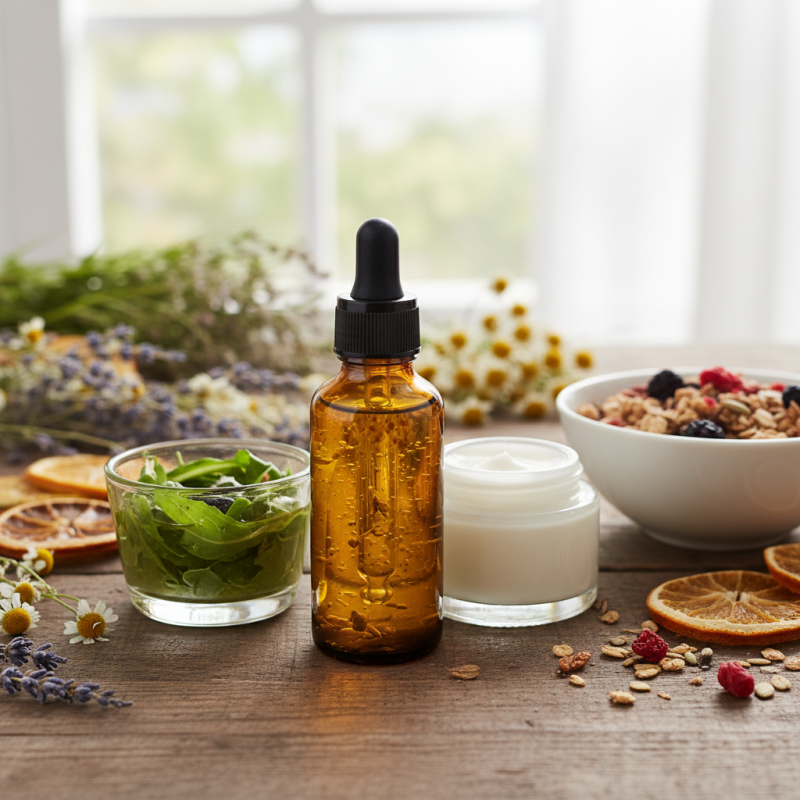
The Role of Plant Extracts in Modern Healthcare Products
Plant extracts play a vital role in the modern healthcare landscape. In 2022, the global herbal supplement market was valued at approximately $129 billion and is expected to grow significantly by 2030. This growth reflects a shift towards natural products in healthcare. The demand for effective, safe, and sustainable options drives this trend.
Plant extracts offer numerous benefits. They often contain active compounds like antioxidants and anti-inflammatory properties. For instance, studies indicate that extracts from turmeric and ginger can aid in reducing chronic inflammation. Healthcare products utilizing these ingredients present fewer side effects compared to synthetic alternatives. However, not all extracts are created equal. The extraction process can vary widely, impacting potency and efficacy.
Tips: When choosing healthcare products, look for transparency in sourcing and ingredient claims. Consider reading reviews or scientific studies that validate these claims. Remember, herbal does not always mean safe. Always consult with a healthcare professional, especially if you are on medication. Balancing safety and effectiveness is essential in this natural journey.
Sustainable Sourcing of Plant Extracts for Eco-friendly Manufacturing
The sustainable sourcing of plant extracts is increasingly crucial in our eco-friendly manufacturing processes. According to a recent report by Grand View Research, the global market for natural extracts is expected to reach $50 billion by 2028. This growth highlights the increasing demand for environmentally friendly products. However, not all sourcing practices uphold sustainability.
Many companies still rely on conventional farming methods. These contribute to soil depletion and biodiversity loss. In many cases, extracting plants without proper management leads to overharvesting. The United Nations estimates that 80% of wild plant species could be lost by 2100 due to these practices. It’s essential that manufacturers adopt eco-friendly methods to ensure the long-term viability of plant sources.
Moreover, using local plant extracts can reduce carbon footprints. Programs promoting local agriculture could support communities. Yet, challenges remain. Access to reliable supply chains is often inconsistent. As the industry evolves, it is critical for all players to prioritize ethical sourcing. This may require more investments in research and development to find innovative solutions. It’s clear that sustainable sourcing is not merely a trend—it is a necessity.
The Benefits of Plant Extracts in Skincare and Cosmetic Products
Plant extracts have become a staple in skincare and cosmetic products. They offer a myriad of benefits that enhance our beauty routines. From soothing irritations to providing hydration, these natural ingredients are celebrated for their effectiveness.
Many plant extracts, like aloe vera and chamomile, are known for their healing properties. Aloe vera is great for calming sunburns. Chamomile can reduce redness and inflammation. These extracts are also rich in antioxidants, which help combat aging. They protect the skin from environmental damage. Choosing products with these ingredients can elevate your skincare game.
**Tip:** Always check for natural extracts in your skincare lineup. Look for products that list plant ingredients early in the formulation. This indicates a higher concentration.
Some products can be misleading. A label might claim to contain plant extracts, but not all are created equal. Synthetic versions may lack the beneficial properties of their natural counterparts. It's essential to research and reflect on the products you choose.
**Tip:** Patch test new products to ensure you don’t have adverse reactions. Be mindful of your skin’s unique needs.
How Plant Extracts Enhance Food Flavor and Nutritional Value
Plant extracts play a vital role in enhancing food flavor and nutritional value. They provide a natural complexity that synthetic additives often lack. According to a report by the Food Research International Journal, over 70% of consumers prefer flavors derived from plant sources. These extracts can influence not just taste but also the health benefits associated with food.
For instance, herbs like rosemary and thyme have been shown to improve the antioxidant properties of dishes. These herbs also make meals more appealing, leading to greater food enjoyment. Research indicates that meals infused with plant extracts can reduce the need for added salt and sugar. This could potentially lower health risks linked to high sodium and sugar intake. Yet, there is a challenge; not all plant extracts offer consistent flavors or health benefits.
The source of the extracts matters greatly. Variability in growing conditions can lead to inconsistent quality. Some plant extracts may contain harmful compounds if not correctly processed. It’s essential for manufacturers to invest in quality control and robust sourcing methods. Therefore, while the potential of plant extracts is evident, challenges do exist that require careful consideration and action.
Why Are Plant Extracts Essential in Modern Products?
Plant extracts play a crucial role in modern products by enhancing flavor, adding nutritional value, providing health benefits, acting as natural preservatives, and improving aroma and color. This chart illustrates the importance of various aspects of plant extracts in food and product formulation.
The Future of Plant Extracts in Biotechnology and Innovation
The future of plant extracts lies in their potential for innovation in biotechnology. These extracts are rich in bioactive compounds. They can enhance product performance across various industries. From cosmetics to food, their applications are vast. This trend reflects a growing emphasis on natural ingredients. Consumers increasingly prefer sustainable solutions.
Tips: Consider integrating local plants into your product line. This supports biodiversity and local economies. Conduct thorough research on extraction methods for optimal quality and efficacy.
Many industries struggle with sourcing quality plant materials. Variability can affect the efficacy of the extracts. Companies must ensure sustainable sourcing practices. This may require establishing partnerships with local growers. Transparency in supply chains is becoming crucial. Awareness of environmental impact is necessary.
Tips: Experiment with small-scale trials before large-scale production. This allows for adjustments based on results. Engage with consumers for feedback; it can spark innovation. By embracing plant extracts, companies can not only enhance products but also resonate with a eco-conscious audience.
FAQS
: Plant extracts offer antioxidants and anti-inflammatory properties. They can reduce chronic inflammation with fewer side effects.
Sustainable sourcing protects the environment and ensures the longevity of plant sources. It minimizes soil depletion and biodiversity loss.
Plant extracts add natural complexity that synthetic additives lack. They improve taste and health benefits of food.
Not all herbal products are safe. Consulting healthcare professionals ensures safety, especially if you're taking medication.
Many companies still use conventional methods, risking overharvesting and inconsistent supply chains.
Variability affects the flavor and quality of extracts. Poorly processed extracts can contain harmful compounds.
Local sourcing reduces carbon footprints and supports community agriculture. It’s essential for eco-friendly practices.
Yes, herbal does not always mean safe. It's crucial to assess quality and safety before use.
The herbal supplement market is projected to grow significantly, possibly reaching $129 billion by 2030.
More investments in research can lead to innovative solutions for ethical sourcing, ensuring sustainability in the industry.
Conclusion
Plant extracts play a crucial role in modern products, serving a variety of functions across healthcare, cosmetics, food, and biotechnology. One of the primary reasons why plant extracts are used in products is their natural efficacy and safety, making them a preferred choice in healthcare formulations. Additionally, the sustainable sourcing of these extracts emphasizes eco-friendly manufacturing practices, aligning with the growing consumer demand for environmentally responsible products.
In skincare and cosmetic items, plant extracts contribute beneficial properties such as hydration, anti-aging effects, and soothing capabilities. Moreover, in the culinary world, they are instrumental in enhancing flavor and providing nutritional benefits. As we look to the future, the integration of plant extracts in biotechnology hints at exciting innovations, promising to expand their applications and benefits further. Overall, the versatile nature of plant extracts makes them essential components in contemporary product development.

 Debaoyi Natural Plants