China Top Herbal Extract Suppliers How to Store Properly?

Time:2026-09-06 Author:Aria
0%

Choosing China top herbal extract suppliers is only part of protecting product quality. Proper storage after delivery matters just as much. Herbal extracts can react to heat, moisture, oxygen, and light. A sealed bag may still lose freshness if it sits beside a warm warehouse door.

This guide explains How to store herbal extracts properly, using practical handling habits and supplier-based evidence. Reliable suppliers should provide batch details, recommended temperature ranges, packaging instructions, and shelf-life information. Buyers should review these documents before opening any container. Do not guess.

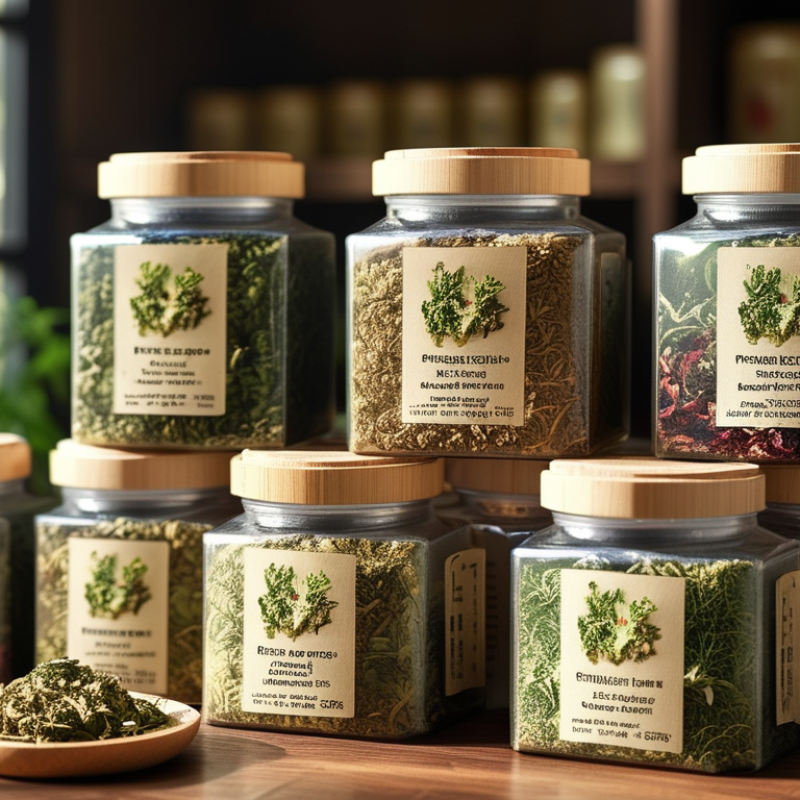
Most dry extracts require a cool, dry, and clean storage area. Keep containers away from direct sunlight, boilers, sinks, and strong-smelling materials. Use airtight packaging whenever possible. Reseal opened bags immediately, and label each container with the opening date. A simple log can prevent stock from being forgotten.

Liquid extracts may need different conditions, including tighter temperature control and protection from contamination. Always follow the supplier’s product-specific guidance rather than applying one rule to every extract. Experienced warehouse teams still make mistakes, especially when storage rooms become crowded or humid. That weakness deserves attention.

Check for clumping, unusual color, off-odors, damaged seals, or visible moisture during routine inspections. Record these findings and contact the supplier before using questionable material. Independent laboratory testing may also support quality decisions when product value or stability is critical. Good storage is not merely a final step. It is a continuing quality practice, linking responsible sourcing with dependable use.
China Top Herbal Extract Suppliers How to Store Properly?

What Are Herbal Extracts and Why Does Proper Storage Matter?

Herbal extracts are concentrated preparations made from leaves, roots, flowers, seeds, or bark. Water, ethanol, or other permitted solvents may remove selected plant compounds. The final extract can appear as a powder, paste, or liquid. Its color and aroma may vary naturally. That variation is not always a quality problem.

Proper storage protects active compounds from heat, light, moisture, oxygen, and contamination. For example, a powder left near a warm warehouse door may absorb humidity and form hard lumps. Light can also weaken sensitive constituents over time. Liquid extracts may separate or change aroma when temperatures fluctuate. These changes can affect testing results and product performance.

In routine quality work, suppliers should follow the product’s specification sheet, not guess from appearance alone. Use sealed, food-grade containers with clear batch labels and opening dates. Store materials in a cool, dry, clean area, away from direct sunlight and strong odors. Keep powders off the floor and check humidity regularly. Refrigeration is useful for some extracts, but it is not automatically better; condensation can create new risks after removal. It sounds simple.

A practical supplier should monitor temperature, moisture, packaging integrity, and shelf life records. Periodic testing can confirm identity, potency, and microbial safety when appropriate. One overlooked detail is repeated opening. Each opening introduces air and moisture. No storage plan is perfect, so records should include deviations, damaged seals, and corrective actions. This honest review often prevents small handling errors from becoming costly quality problems.

China Top Herbal Extract Suppliers How to Store Properly? - What Are Herbal Extracts and Why Does Proper Storage Matter?

Practical storage guidance for common herbal extract formats. Always follow the product label, specification sheet, and certificate of analysis when they provide stricter requirements.

Extract Format Typical Composition Recommended Temperature Moisture and Humidity Control Light Protection Suitable Packaging Main Storage Risks
Dry herbal extract powder Concentrated plant solids, usually produced by spray-drying, vacuum-drying, or freeze-drying Cool, stable room temperature; commonly 15–25°C unless the specification requires refrigeration Keep tightly closed in a dry area; avoid condensation and repeated exposure to humid air Protect from direct sunlight and strong artificial light Moisture-barrier foil bags, sealed drums, or airtight containers with a food-contact liner Caking, moisture uptake, oxidation, color change, and loss of volatile constituents
Standardized dry extract Powder adjusted to a defined marker-compound or active-constituent range Preferably cool and stable, generally 15–25°C; avoid heat fluctuations Use low-humidity storage and reseal immediately after sampling Use opaque or light-resistant outer packaging when the marker compounds are light-sensitive Airtight, moisture-resistant, tamper-evident packaging Potency drift, oxidation, moisture-related degradation, and non-uniformity after caking
Glycerin-based liquid extract Plant constituents extracted into vegetable glycerin, water, or a glycerin-water mixture Usually stored in a cool area, commonly 15–25°C; refrigeration may be required after opening if stated on the label Keep the container closed to limit water loss, contamination, and changes in viscosity Store in amber or otherwise light-protective containers when light-sensitive compounds are present Amber glass or compatible high-barrier plastic with a tight closure Microbial contamination, fermentation, precipitation, and color or odor changes
Hydroalcoholic liquid extract Plant constituents extracted into ethanol-water or another specified hydroalcoholic solvent Cool, dry storage, commonly 15–25°C; keep away from excessive heat Keep sealed to reduce evaporation and prevent dilution from external moisture Protect from direct light, especially when pigments or light-sensitive constituents are present Tightly closed amber glass or solvent-compatible high-barrier packaging Alcohol evaporation, flammability hazards, precipitation, oxidation, and contamination
Soft or semi-solid extract Viscous concentrated plant material containing residual solvent, water, or natural plant oils Cool storage, often 15–25°C; refrigeration may improve consistency for heat-sensitive products Minimize air exposure and keep the container closed after every use Use light-resistant packaging when oxidation or pigment fading is a concern Airtight jars, lined drums, or tubes compatible with the extract matrix Phase separation, hardening, rancidity, oxidation, and microbial growth
Oil-based herbal extract Botanical constituents dissolved or dispersed in a fixed vegetable oil or another lipid carrier Cool storage, commonly 15–25°C; avoid high temperatures and repeated warming Keep tightly sealed and limit headspace where practical Strongly protect from light because light can accelerate lipid oxidation Amber glass or another oxygen- and light-resistant container Rancid odor, peroxide formation, color change, and declining flavor or potency
Freeze-dried extract Highly porous dry material with low residual moisture when correctly processed and packaged Cool, stable storage; follow the specification for refrigeration or freezing when required Use strong moisture barriers and allow cold containers to reach room temperature before opening Protect from light during storage and handling Sealed foil laminate, desiccant-compatible container, or validated barrier packaging Rapid moisture absorption, collapse of structure, caking, and reduced reconstitution performance
Storage checklist: Keep extracts in clean, dry, well-ventilated storage; protect them from direct light, heat, oxygen, moisture, pests, and strong odors. Use first-expiring, first-out inventory control, record opening dates, and inspect for changes in color, odor, texture, leakage, or visible contamination. Product-specific stability data and labeled storage conditions take precedence over general guidance.

How to Choose Suitable Storage Conditions for Herbal Extracts

China Top Herbal Extract Suppliers: How to Store Properly?

Choosing suitable storage conditions begins with the extract itself. Powdered extracts often absorb moisture quickly, especially when they contain sugars or polysaccharides. Liquid extracts may oxidize, separate, or ferment after repeated air exposure. WHO Technical Report Series 1010, Annex 1, recommends documented controls for temperature, humidity, light, cleanliness, and packaging. A single temperature number is not enough.

For many dry extracts, a cool, dry, dark area is appropriate. USP General Chapter <659> defines controlled room temperature as 20–25°C, with permitted excursions between 15–30°C. This range is a useful reference, not a universal rule. ICH Q1A(R2) uses 40°C and 75% relative humidity for accelerated stability studies over six months. Suppliers should still follow product-specific stability data. Refrigeration can help some liquids, but condensation may damage powders after removal. That detail is easy to miss.

Tips: Use airtight, light-resistant containers with food- or pharmaceutical-grade liners. Keep cartons above the floor and away from walls. Record temperature and humidity continuously. Set practical alarm limits. Inspect color, odor, clumping, and seal integrity during each stock check. Apply FEFO, not only FIFO, when expiry dates differ. Keep opened containers tightly closed. A forgotten desiccant can compromise an otherwise good batch. Recheck conditions after seasonal weather changes.

Step-by-Step Procedures for Storing Herbal Extracts Correctly

China Top Herbal Extract Suppliers: How to Store Properly?

Step-by-Step Procedures for Storing Herbal Extracts Correctly

Proper storage begins when the shipment arrives. Check the container seal, lot number, production date, and certificate of analysis. Record the receiving temperature when possible. A damaged liner or unusual odor deserves immediate quarantine. Do not mix new material with an older batch. Small mistakes can spread quickly.

Keep dry extracts in sealed, food-grade containers with clean inner liners. Store them in a cool, dry, and shaded room. A practical target is below 25°C, with controlled humidity based on the extract’s specification. Protect the material from sunlight, steam, condensation, and strong odors. Use a calibrated thermometer and hygrometer, then record readings every day. Place containers on pallets, not directly on the floor. Leave space between stacks and walls for airflow.

Liquid extracts need extra care. Follow the supplier’s recommended temperature and use clean, tightly closed bottles. Refrigeration may help some formulas, but it can cause condensation after removal. Let sealed containers reach room temperature before opening. Label every container with its opening date and operator initials. Apply a first-expiring, first-out system. Inspect color, smell, texture, and signs of mold before use. These checks support quality control, but they cannot replace laboratory testing. In practice, storage rooms may look clean while humidity changes unnoticed. Review the records often, and adjust procedures when evidence shows they are not working.

Step-by-Step Storage Targets for Herbal Extracts

These practical control targets help preserve herbal extract quality: keep storage temperatures at or below 25°C, relative humidity below 60%, direct light exposure at zero, and containers tightly closed with minimal opening. Always follow the extract's product-specific specification when it is stricter.

How Packaging Protects Herbal Extract Quality and Shelf Life

China Top Herbal Extract Suppliers: How to Store Properly?

Packaging is a working barrier, not decoration. Herbal extracts can lose color, aroma, and potency when exposed to light, oxygen, moisture, or heat. Opaque, multilayer bags help block light and reduce oxygen transfer. For liquid extracts, sealed containers with suitable liners can limit evaporation and contamination. Dry powders need strong moisture barriers. A small leak can create clumps within days.

Reliable suppliers should match packaging with the extract’s properties. Hygroscopic powders may require an inner sealed pouch, an outer drum, and a food-grade desiccant. Oxygen-sensitive materials may benefit from nitrogen flushing, when technically justified. Headspace matters too. Too much trapped air can accelerate oxidation during storage and transport. Clear labels should show the batch number, net weight, production date, expiry date, and recommended conditions.

Keep it cool and dry.

Storage instructions must be practical. A clean warehouse, stable temperature, and controlled humidity protect unopened packages. Staff should inspect seals, dents, moisture marks, and unusual odors before use. Once opened, reseal the package quickly and use clean, dry tools. Packaging cannot repair poor handling. This is where procedures often fail. Even a well-designed container needs routine checks, documented records, and periodic quality testing. Shelf life is therefore a shared result of packaging, storage, and disciplined handling.

How to Monitor Storage Conditions and Detect Product Deterioration

China Top Herbal Extract Suppliers: How to Store Properly?

Storage monitoring should begin when herbal extract arrives, not after quality changes appear. WHO Technical Report Series No. 908, Annex 9, recommends controlled, clean, dry storage with documented temperature and humidity checks. ICH Q1A(R2) uses 25°C and 60% relative humidity for long-term stability studies, while accelerated testing uses 40°C and 75% humidity. These figures are useful reference points, but each extract needs product-specific limits. Record readings with calibrated data loggers. Check sensor placement near doors, walls, and cooling units. One central sensor can miss a warm corner.

Deterioration often leaves physical clues. A brown powder may become darker. Fine particles may form hard clumps. The odor can turn sour, stale, or unusually sharp. Watch for leaking bags, damaged liners, condensation, and pest evidence. Do not rely on appearance alone. Test moisture, microbial counts, marker compounds, and, when relevant, oxidation indicators. USP General Chapter <659> also stresses suitable packaging and protection from moisture, heat, and light. Keep opened containers sealed and clearly dated. Use first-expired, first-out handling.

A tidy log is not proof of stability. Excursion records need investigation. Retest affected lots before release. In practice, teams sometimes inspect too infrequently, especially during seasonal humidity changes. That is a weakness worth admitting. Review trends weekly, compare them with laboratory results, and revise controls when evidence changes. Reliable suppliers should provide storage instructions, stability data, and traceable batch documentation.

FAQS

: What are herbal extracts?

: Herbal extracts are concentrated preparations made from leaves, roots, flowers, seeds, or bark. They may be powders, pastes, or liquids. Natural color differences do not always indicate poor quality.

Why does proper storage matter?

Heat, light, moisture, oxygen, and contamination can weaken sensitive plant compounds. Poor storage may change potency, aroma, testing results, or product performance. Small changes matter.

What storage area is suitable for herbal extracts?

Use a cool, dry, clean area away from sunlight and strong odors. Keep powder containers off the floor. Monitor humidity regularly. A warm warehouse door is a poor location.

Should every herbal extract be refrigerated?

No. Refrigeration may help some extracts but can create condensation risks. Allowing a cold container to warm improperly may introduce moisture. Follow the product specification sheet.

What packaging helps protect dry extracts?

Use sealed, food-grade packaging with strong moisture barriers. Hygroscopic powders may need an inner pouch, an outer drum, and a suitable desiccant. A small leak can cause clumps within days.

How should liquid extracts be packaged?

Use sealed containers with suitable liners to limit evaporation and contamination. Temperature changes may cause separation or aroma changes. Check the container before use.

What information should appear on the package label?

Labels should show the batch number, net weight, production date, expiry date, and storage conditions. Opening dates should also be recorded. Clear records help trace problems.

How should opened packages be handled?

Reseal them quickly after use. Use clean, dry tools. Each opening adds air and moisture. Repeated opening is easy to overlook.

What should staff inspect during storage checks?

Inspect seals, dents, moisture marks, unusual odors, temperature, and humidity. Record damaged packaging and storage deviations. Periodic testing may confirm identity, potency, and microbial safety. No plan is perfect.

Conclusion

Herbal extracts are concentrated plant-derived ingredients used in foods, supplements, cosmetics, and other formulations. Because their active compounds can be sensitive to moisture, heat, light, oxygen, and contamination, proper storage is essential for preserving quality, potency, appearance, and shelf life. How to store herbal extracts properly depends on the extract’s form and stability requirements. In general, products should be kept in a cool, dry, clean, and well-ventilated area away from direct sunlight and strong odors. Temperature and humidity should remain stable, while refrigeration should only be used when specifically recommended.

Correct storage also requires sealed, food-safe, light-resistant packaging that limits air and moisture exposure. Containers should be clearly labeled with the product name, batch information, storage conditions, and dates, then arranged using a first-in, first-out system. Regular monitoring with thermometers and humidity meters can help identify unsuitable conditions early. Inspect extracts for unusual color, odor, texture, clumping, leakage, mold, or other changes, and quarantine any questionable material for evaluation before use.

Aria

Aria

Aria is a dedicated marketing professional with a deep passion for innovative strategies and a keen understanding of our company's product offerings. With a wealth of experience in the industry, Aria excels at crafting engaging content that highlights the unique features and benefits of our......