Herbal extracts have gained significant attention in modern medicine. They offer a bridge between traditional practices and contemporary healthcare solutions. Many people ask, "Why are herbal extracts used in medicine?" This question opens a dialogue about their role and effectiveness.
These extracts are derived from plants, often containing powerful bioactive compounds. They provide diverse therapeutic benefits, from anti-inflammatory properties to antioxidant effects. Scientific research supports their use, showcasing their potential to treat various ailments. However, the integration of herbal extracts into mainstream medicine is not without challenges.
Dependence on plant-based remedies raises questions about consistency and quality. Not all herbal products guarantee the same potency. Research is vital to ensure safe usage. Despite their promise, some extracts may interact with conventional drugs, leading to adverse effects. As we explore the importance of herbal extracts, we must balance their traditional wisdom with rigorous scientific evaluation.
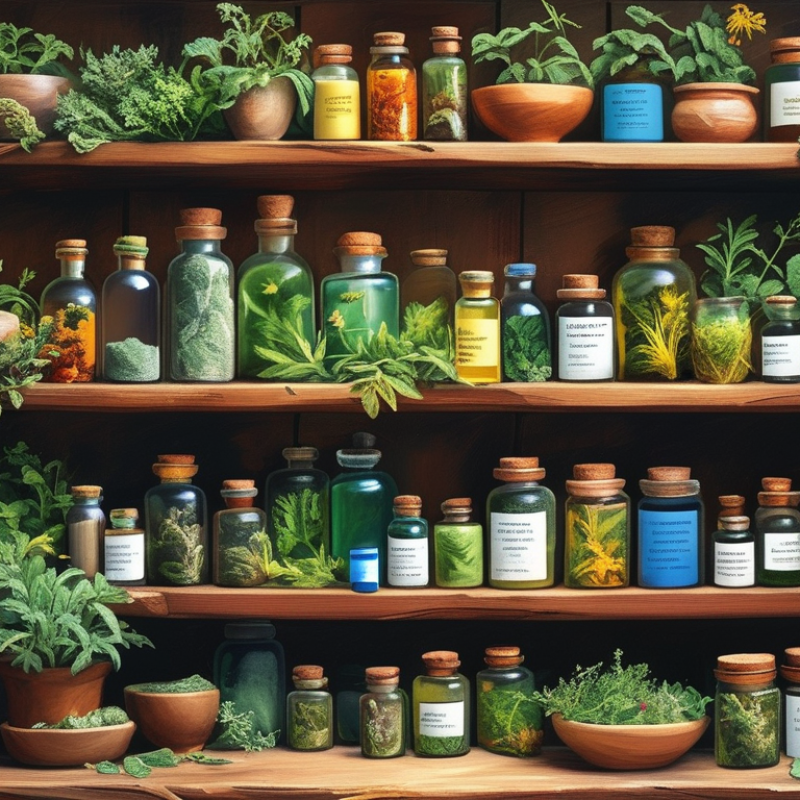
Herbal extracts have a rich historical background in medicine. Their usage can be traced back thousands of years. Ancient Egyptians utilized herbs for healing purposes. Texts from traditional Chinese medicine reveal extensive knowledge of herbal properties. This foundation remains relevant today.
Recent reports show that over 26% of pharmaceuticals are derived from plants. A study highlighted that 70% of individuals globally use herbal products as a form of treatment. This demonstrates the ongoing trust in herbal remedies. Nonetheless, the quality and efficacy of these extracts can vary widely. Not all herbs are safe or effective for every condition. Thus, there is a need for further research and standardization.
Despite their popularity, skepticism exists. Some healthcare professionals question the scientific backing of certain herbal remedies. This debate is important for progress. It highlights the necessity for rigorous clinical trials. Herbal extracts hold great potential but require more validation to ensure reliability. The evolution of their role in modern medicine is both exciting and challenging.
Herbal extracts have gained recognition in modern medicine due to their active compounds and diverse therapeutic effects. These compounds, such as flavonoids, alkaloids, and terpenes, exhibit a range of biological activities. For instance, flavonoids possess antioxidant properties, which help combat oxidative stress in the body. This can lead to fewer chronic diseases and improved overall health.
Moreover, the complex interactions between these compounds can enhance their effectiveness. Some studies suggest that combining herbal extracts may produce synergistic effects. However, research is ongoing. The variability in herbal composition can lead to inconsistent results. This inconsistency highlights the need for standardization in herbal medicine.
Investigating the physiological effects of these extracts is vital. Some compounds may not work in isolation as intended. Understanding the right dosages and combinations is crucial for maximizing benefits. As we explore the science behind herbal extracts, there remain questions to address. Balancing traditional knowledge with modern science is essential for developing reliable medicinal applications.
Herbal extracts have gained traction in both conventional and alternative medicine. Their use is backed by scientific research and centuries of practice. According to the World Health Organization, about 80% of the world's population relies on herbal medicine for primary health care. This reliance highlights the significance of plant-based remedies.
In conventional medicine, herbal extracts are often integrated into pharmaceuticals. Extracts from plants like turmeric and ginger are recognized for their anti-inflammatory properties. A study published in the Journal of Medicinal Food found that curcumin could reduce arthritis symptoms significantly. Such findings demonstrate the potential of herbal extracts to enhance modern treatments.
On the alternative side, herbal extracts play a crucial role in holistic approaches. Practitioners often recommend them for stress relief and immune support. For example, echinacea is frequently used to prevent colds. Furthermore, there's ongoing discussion about the standardization of herbal products. Consistency in dosage and quality remains a challenge. Addressing these issues is essential for reliable outcomes in herbal therapy. As research continues, understanding the nuances of herbal extracts remains vital for their future application.
Herbal extracts have become central to modern medicine due to their safety and efficacy. Many people today seek natural alternatives to synthetic medications. This shift reflects a growing awareness of potential side effects associated with conventional drugs. However, the effectiveness of herbal extracts can vary significantly.
Research indicates that some herbal extracts provide therapeutic benefits. For example, turmeric is renowned for its anti-inflammatory properties. Valerian root is often used as a natural remedy for sleep disorders. Yet, just because an extract is natural doesn’t mean it is safe. Herbal products can interact with medications. Always consult a healthcare professional before starting any herbal regimen.
Tips: Always research the source of your herbal extracts. Ensure they come from reputable suppliers. Start with small doses to evaluate effects. Monitor any changes in health or side effects. Keep in mind, individual responses to herbs can differ.
While herbal extracts have potential benefits, it is essential to approach them with caution. Clinical trials on many extracts are limited. Some may lack standardized dosage recommendations. Understanding the risk and benefits of each extract can enhance their efficacy. The conversation around herbal medicine continues to evolve. It’s crucial to stay informed about new findings.
| Herb | Common Use | Safety Profile | Efficacy (Studies) |
|---|---|---|---|
| Ginger | Nausea Relief | Generally Safe, Possible GI Disturbances | Multiple studies support its use for motion sickness |
| Turmeric | Anti-inflammatory | Generally Safe, May interfere with blood thinners | Numerous studies show benefits for arthritis |
| Echinacea | Immune Support | Usually Safe, Possible allergic reactions | Shows promise in reducing cold symptoms |
| Garlic | Cardiovascular Health | Generally Safe, May cause odor and gastrointestinal upset | Studies indicate cholesterol-lowering effects |
| Peppermint | Digestive Aid | Generally Safe, Some may experience allergic reactions | Evidence supports its use for IBS and indigestion |
Herbal extracts are gaining significant attention in medical research. Innovations in extraction techniques are unlocking their potential. Recent studies illustrate that nearly 30% of modern medicines originate from plants. This figure highlights the importance of herbal extracts in developing new therapeutic agents.
Current research focuses on identifying active compounds in herbal sources. For example, compounds from ginger and turmeric show promise in inflammation reduction. Reports indicate that phytochemicals may enhance drug efficacy or mitigate side effects. This presents an opportunity for integrative approaches in treatment plans.
However, challenges remain. Standardization of herbal extracts is crucial for consistent results. Researchers must establish reliable methods for measuring potency and purity. Additionally, regulatory frameworks often lag behind scientific advancements. This gap can hinder the integration of herbal extracts into routine medical practice. Addressing these issues could lead to innovative treatments in the future.
: Herbal extracts are recognized for their active compounds and therapeutic effects. They can improve overall health.
No, natural doesn't always mean safe. Some extracts can interact with medications.
Begin with small doses. Monitor your health for any changes or side effects.
Variability in herbal composition leads to inconsistent results. Standardization can improve reliability.
Flavonoids, alkaloids, and terpenes are common. They exhibit various biological activities and benefits.
Some studies suggest synergistic effects occur when combining different extracts. Research is ongoing.
To avoid potential interactions with existing medications. Safety is paramount when trying new remedies.
Look for reputable suppliers and check for quality. Knowledge about the source is essential.
Yes, many clinical trials are limited, and standardized dosages often lack clear recommendations.
Very important. Each person may react differently to herbal products, requiring personalized approaches.
Herbal extracts have played a vital role in the development of medicine throughout history, serving as the foundation for many traditional therapies. Understanding "why herbal extracts are used in medicine" requires an exploration of the active compounds they contain, which demonstrate various pharmacological effects. In modern applications, herbal extracts are integrated into both conventional and alternative medicine, showcasing their versatility and potential benefits for patient care.
Evaluating the safety and efficacy of herbal extracts is crucial as they gain popularity in contemporary health practices. Ongoing research is essential for uncovering new applications and enhancing our understanding of these natural substances. The future of herbal extracts in medical research promises further innovations, aiming to leverage their unique properties to complement existing medical treatments and improve health outcomes.

Debaoyi Natural Plants