What Factors Influence the Potency of Herbal Extracts?

Time:2026-05-09 Author:Isabella
0%

The potency of herbal extracts is influenced by various factors. Understanding what affects the potency of extracts is crucial for both manufacturers and consumers. Herbal remedies have gained popularity for their potential health benefits. However, not all extracts are created equal.

Quality is paramount. The growing conditions, such as soil and climate, play a significant role. Herbs grown in optimal environments often yield more potent extracts. Harvesting time is another critical aspect. Timing can affect the concentration of active compounds. For instance, some plants may have peak potency during specific seasons.

Extraction methods also contribute to potency. Traditional methods differ from modern techniques in efficiency and effectiveness. While advanced methods may be quicker, they can alter the extract's profile. This variability raises questions about reliability. Consumers often lack access to this information, complicating their choices. The herbal industry needs to prioritize transparency for better decision-making.
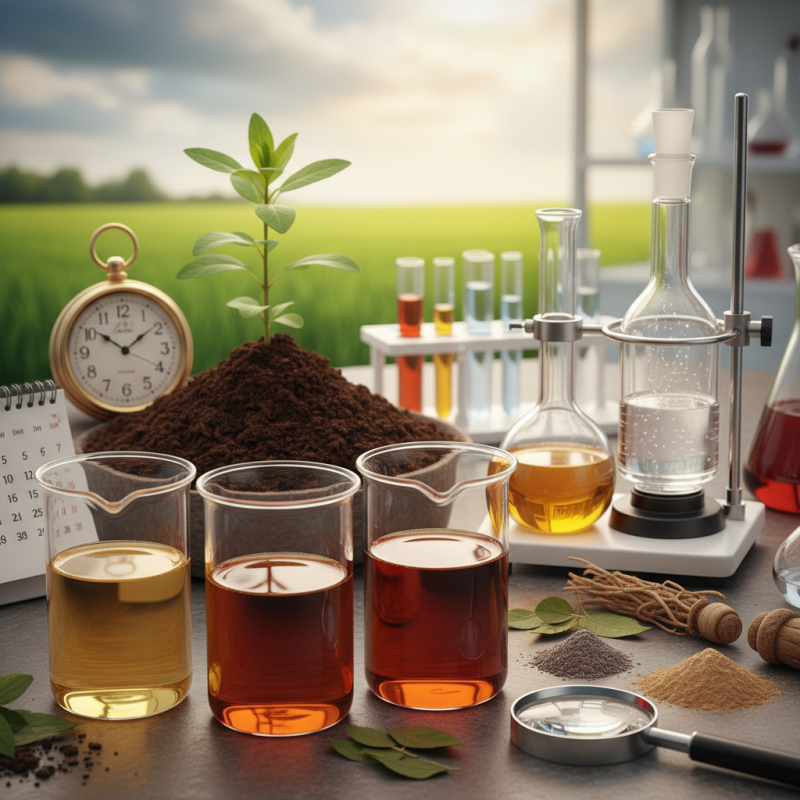
What Factors Influence the Potency of Herbal Extracts?

Factors Affecting the Quality of Herbal Raw Materials

The quality of herbal raw materials is essential in determining the potency of herbal extracts. Various factors play a role in this quality. Environmental conditions are one of the most significant influences. Sunlight, soil type, and climate affect the growth of plants. For example, a plant grown in nutrient-rich soil often yields more potent compounds than one in depleted soil.

Harvesting and processing techniques are equally crucial. Improper harvesting methods can damage plants, reducing their effectiveness. Timing is key; herbs collected at the right stage of growth maximize their active ingredients. Moreover, the drying and storage processes also impact quality. High humidity or light exposure can degrade essential compounds.

Even among professional herbalists, inconsistencies in practices can lead to variability in product quality. It is vital to reflect on these aspects when assessing herbal extracts. Reliable sources of raw materials are paramount. Current research into standardizing these factors could enhance the reliability of herbal remedies, but challenges remain. More exploration is needed to understand how to consistently maintain high-quality standards in herbal materials.

Extraction Methods and Their Impact on Potency

Extraction methods play a crucial role in determining the potency of herbal extracts. Different techniques can yield varying concentrations of active compounds, affecting the overall effectiveness. For instance, cold pressing often captures essential oils but may leave out some beneficial phytochemicals. On the other hand, solvent extraction can enhance potency but risks introducing impurities.

Heat can also significantly influence the extraction process. While heat can help in breaking down plant materials, excessive temperatures may degrade sensitive compounds. This balance is often difficult to achieve. A method that seems effective may not yield the best results across all herbs. The precision of variables like temperature and time is often overlooked, but these can change the potency dramatically.

Moreover, the choice of the raw material itself can affect outcomes. Factors such as the plant's growing conditions, harvesting time, and even the part of the plant used contribute significantly. Each herb has its own unique profile, making standardization a persistent challenge in herbal medicine. Understanding these complexities is essential for anyone interested in herbal extracts.

What Factors Influence the Potency of Herbal Extracts? - Extraction Methods and Their Impact on Potency

Extraction Method Active Compounds Extracted Potency Level (mg/g) Solvent Used Extraction Time (hours)
Cold Press Essential Oils 15 None 2
Ethanol Extraction Flavonoids 25 Ethanol 12
Steam Distillation Terpenes 20 Water 3
Infusion Glycosides 10 Water 0.5
Supercritical CO2 Extraction Sterols 30 CO2 8

Role of Solvent Types in Herbal Extract Potency

The potency of herbal extracts largely depends on the type of solvent used during extraction. Different solvents can extract varying amounts of active compounds from the plant material. Water, ethanol, and hexane are common choices, each with distinct properties. For instance, water tends to extract polar compounds well but may leave behind essential oils. Ethanol, a polar-aprotic solvent, can more efficiently pull diverse phytochemicals.

Selecting the right solvent is crucial in herbal medicine. It not only affects the amount but also the bioavailability of the extracts. Solvents like ethanol can yield stronger extracts, while others may dilute the active components. The choice often reflects a balance between potency and safety, highlighting a need for careful consideration.

Despite advancements, there remains a gap in understanding the full impact of solvents on herbal potency. Some extracts prepared with certain solvents may still fall short in therapeutic effectiveness. This inconsistency raises questions about extraction methods and their implications. Continual experimentation is necessary to refine these processes and enhance the reliability of herbal applications.

Influence of Environmental Conditions on Herbal Growth

Environmental conditions play a significant role in the growth and potency of herbal extracts. Factors such as sunlight, soil quality, and water availability directly influence the strength of the active compounds within these plants. For instance, herbs grown in nutrient-rich soil may produce higher concentrations of essential oils and other beneficial compounds. Conversely, poor soil can lead to weaker extracts with less medicinal value.

Temperature variations also affect herbal potency. Herbs exposed to consistent conditions may thrive better than those subjected to fluctuating temperatures. Additionally, the timing of harvest is crucial. Picking herbs at their peak growth phase can maximize their potency. This highlights the importance of careful cultivation practices.

Managing environmental factors is an ongoing challenge. Inconsistent weather patterns can disrupt growth cycles. Growers must adapt to these changes for optimal results. Understanding how these elements interact empowers herbalists to enhance the quality of their extracts. Even experienced cultivators must continuously learn and reflect on their methods. There is always room for improvement, and every harvest provides new insights.

Standardization and Quality Control in Herbal Extracts

Standardization is crucial in the herbal extract industry. Inconsistencies can lead to varying potency levels. According to a report by the American Herbal Products Association, over 30% of herbal products do not meet label claims. This highlights the need for rigorous quality control.

Quality control processes often include testing for active compounds. Laboratories should use methods like HPLC or mass spectrometry. These techniques provide accurate quantification of constituents. However, not all manufacturers invest in these methods. This can lead to subpar products reaching consumers.

There is also a gap in regulatory standards for herbal extracts. The FDA guidelines are often vague, leading to variability in manufacturing practices. Research shows that effective standardization can enhance efficacy and safety. Approximately 25% of herbal products may contain contaminants. This underscores the importance of a strong quality assurance framework in the herbal market.

Factors Influencing the Potency of Herbal Extracts

This chart illustrates the main factors affecting the potency of herbal extracts, including standardization, quality control, and the extraction method used. The data represent average influence levels on potency measured on a scale from 0 to 100.

FAQS

: What factors influence the potency of herbal extracts?

: Extraction methods and raw material choice play significant roles. Growing conditions and harvesting time are also crucial.

How do extraction methods affect herbal potency?

Different methods yield varying concentrations of active compounds, impacting effectiveness. Heat, time, and temperature control are vital.

Why is solvent selection important in extraction processes?

Solvents determine the amount and bioavailability of active compounds. Ethanol, for example, often produces stronger extracts.

What challenges exist in standardizing herbal extracts?

Each herb has a unique profile, making consistency tough. Over 30% of products do not meet label claims.

How does quality control affect herbal products?

Quality control ensures accurate levels of active compounds. Inadequate testing can result in substandard products.

Are there regulatory standards for herbal extracts?

Current guidelines are often vague. This creates variability in manufacturing practices, affecting product reliability.

What testing methods ensure product quality?

Techniques like HPLC and mass spectrometry help quantify active compounds accurately. Not all manufacturers utilize these.

What potential issues arise with herbal product safety?

Contamination is a concern. Approximately 25% of herbal products may contain harmful substances, highlighting safety gaps.

Can all extraction methods work effectively for every herb?

No, effectiveness varies by herb. Some methods may not yield the best results consistently across different plants.

Is there still a need for research in herbal extraction?

Yes, continual experimentation is necessary to improve understanding and refine extraction methods effectively.

Conclusion

The potency of herbal extracts is influenced by a multitude of factors that play a critical role in determining their effectiveness. Key elements include the quality of the herbal raw materials, which can vary based on their source and handling practices. Additionally, the extraction methods employed, such as solvent choice and temperature, significantly affect the concentration of active compounds. This raises the question of "What affects the potency of extracts?" Different solvents can yield different levels of phytochemicals, further impacting the extract's strength.

Environmental conditions, such as soil quality, climate, and cultivation practices, also contribute to the growth and chemical composition of the herbs. Lastly, the standardization and quality control measures implemented in the production of herbal extracts ensure consistency and reliability, addressing the variations that arise from the aforementioned factors. Collectively, these aspects underscore the complexity of herbal potency and the need for careful consideration in herbal extract formulation.

Isabella

Isabella

Isabella is a dedicated marketing professional with a sharp focus on driving brand growth and engagement through strategic content creation. With an extensive background in digital marketing, she combines her passion for storytelling with her keen understanding of industry trends to deliver......