What Is the Difference Between China Extract Types?

Time:2026-10-23 Author:Henry
0%

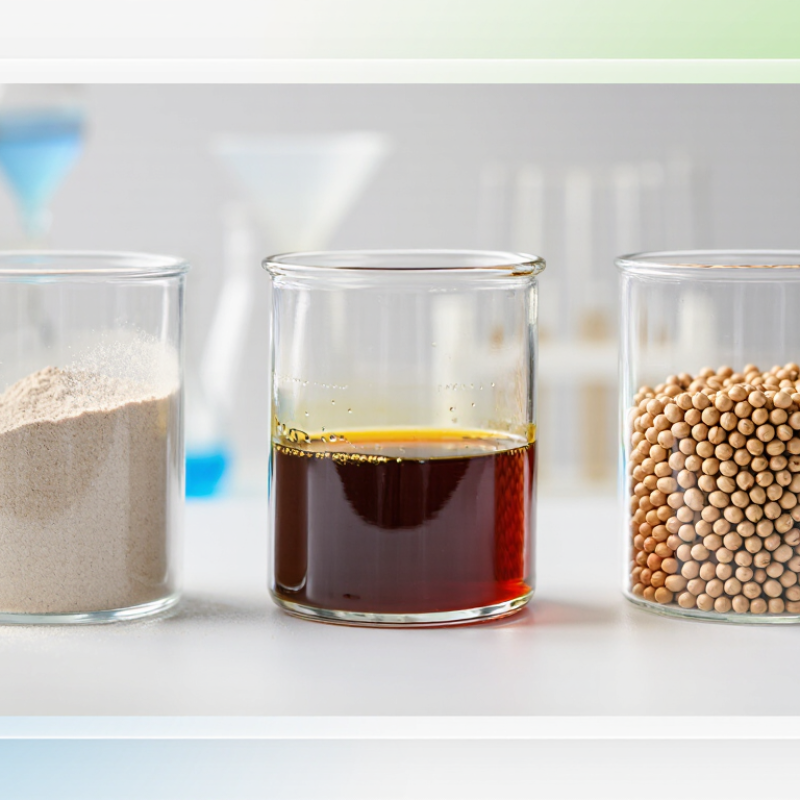
China-sourced botanical extracts can look similar, yet their production details may differ greatly. A pale powder, a thick liquid, and a standardized granule may come from the same plant. Their concentration, solubility, stability, and intended use can still vary.

So, what is the difference between extract types? The answer usually begins with the extraction method. Water extraction may preserve water-soluble compounds, while ethanol or mixed-solvent extraction can collect different constituents. Some products use spray drying, freeze drying, or direct concentration. Each process affects color, texture, aroma, and shelf life.

The label matters.

In professional sourcing, I examine the botanical name, plant part, extraction ratio, solvent, and marker compounds. A “10:1 extract” does not automatically mean ten times stronger. Raw material quality and testing conditions also influence that figure. Reliable suppliers should provide a batch-specific certificate of analysis, contaminant screening, microbiological results, and traceability records. Independent laboratory verification adds useful confidence, especially when specifications seem unusually broad.

China has experienced manufacturers, but quality is not uniform across every supplier or region. Factory audits, sample comparisons, and documented quality systems remain important. I have also found that simple labels can hide complicated processing histories. That is easy to overlook.

This guide compares common China extract types through practical criteria, including composition, processing, documentation, storage, and application suitability. It avoids assuming that one format is universally better. The right choice depends on verified specifications, legal requirements, and the final product’s technical needs.
What Is the Difference Between China Extract Types?

What Are China Extract Types?

China extract types usually describe plant or food extracts produced in China, rather than one single category. They may come from roots, leaves, flowers, seeds, or fruits. The raw material is cleaned, dried, and processed into a usable extract. Common forms include powder, liquid, granules, and soft extract.

Powder extracts are convenient for capsules, tablets, beverages, and laboratory formulas. Liquid extracts dissolve quickly and suit drops or liquid blends. Ratio extracts show how much raw material was used. A 10:1 ratio means ten parts of the original material produced one part of extract. Standardized extracts focus on a measured marker compound. However, a higher marker level does not always mean better overall quality.

Extraction methods also create important differences. Water extraction is gentle and often preserves water-soluble components. Ethanol or mixed-solvent extraction can pull out less polar compounds. Supercritical carbon dioxide extraction is another option for selected materials. Each method leaves a different chemical profile. That detail matters.

A reliable buyer checks the botanical name, plant part, country of origin, extraction solvent, ratio, and marker level. Testing should cover identity, moisture, microbes, heavy metals, pesticides, and residual solvents. A certificate of analysis supports these checks, but it should not replace independent verification. “Natural” is not a complete quality standard. Documentation can still contain gaps. Batch-to-batch variation remains possible, especially when harvest seasons change. Clear specifications and retained samples help reveal those differences.

How Are China Extracts Classified?

China extracts are classified by source, extraction method, and chemical profile. Source-based groups include roots, leaves, flowers, fruits, seeds, and marine materials. Method-based groups include water extracts, ethanol extracts, oil extracts, and supercritical-fluid extracts. These labels matter because solvent choice changes color, stability, residue, and active compounds.

A second classification uses standardization. Some extracts list a plant ratio, such as 10:1. Others state a marker compound, such as 20% flavonoids or 5% polysaccharides. A third group is organized by physical form: powder, liquid, granules, or dry concentrate. In supplier audits, I check the botanical name, plant part, extraction solvent, batch number, and test method. A clean appearance proves little. Grand View Research valued the global botanical extracts market at about USD 26.7 billion in 2023, with projected growth of roughly 8.1% annually through 2030. Mordor Intelligence also identifies food, supplements, cosmetics, and pharmaceuticals as major application areas. These reports show demand expanding, but market labels remain inconsistent.

Tips: Compare extract ratios only when the raw material and testing method match. Request a certificate of analysis, pesticide results, heavy-metal limits, and microbial data. The China Pharmacopoeia provides useful quality references, but not every commercial extract follows a monograph. That gap deserves attention. A higher percentage is not automatically a better extract. Manufacturing experience, traceability, and validated testing often matter more.

Which Extraction Methods Define Each Type?

China extract types are defined less by geography than by extraction chemistry. Water extracts use decoction, infusion, or controlled hot-water processing. They usually contain polysaccharides, glycosides, and other water-soluble compounds. Ethanol or hydroalcoholic extraction pulls a wider range of constituents, including many polyphenols and moderately lipophilic compounds. The solvent ratio matters.

Supercritical carbon dioxide extraction uses pressurized CO2, often around 250–350 bar. It favors volatile oils, waxes, and lipophilic fractions, while leaving little solvent residue. This method is technically demanding. It also does not automatically produce a better extract. A 2023 review in Phytomedicine Plus noted that solvent polarity strongly changes yield and chemical composition. That detail is often missed in simple product labels.

Standardized extracts add another layer. Their type may be identified by a marker compound, an extract ratio, or a defined assay range. The 2020 Chinese Pharmacopoeia emphasizes identity, purity, moisture, and content testing for many botanical materials. Meanwhile, the World Health Organization reported in 2019 that 88% of its member states recognized traditional medicine use. Demand is substantial, but consistency remains imperfect.

In pilot testing, two water extracts can look identical yet show different chromatographic profiles. Raw material age, particle size, temperature, and extraction time all matter. Labels should state the solvent, ratio, temperature, concentration step, and testing method. Fancy terminology cannot replace those details.

How Do China Extract Types Differ in Composition?

China extract types usually describe botanical extracts manufactured in China, not one fixed chemical category. Their composition changes with the source plant, plant part, extraction solvent, and processing temperature. A leaf extract may contain different marker compounds than a root extract from the same species. Country of origin matters, but it does not define the extract alone.

Water extracts often contain polysaccharides, minerals, and other water-soluble compounds. Alcohol-based extracts can concentrate flavonoids, alkaloids, or aromatic constituents. Glycerin extracts usually provide a gentler liquid format, with different stability and sensory properties. Powdered extracts may include carriers such as maltodextrin, which affects the final concentration. Some materials are full-spectrum, while others are standardized to a selected marker compound. That distinction is important.

In quality reviews, I examine the extraction ratio, solvent information, marker percentage, moisture, and microbial results. I also compare the plant name and plant part with the specification sheet. A “10:1” ratio does not automatically mean stronger performance. It only describes the input-to-output relationship. Testing can still reveal variation between batches. This is where my earlier assumption needed correction. I once treated a higher marker value as proof of better quality, but composition is broader than one number. Reliable documentation should include identity testing, contaminant screening, and clear storage conditions. Small details matter.

What Factors Determine Their Uses and Quality?

China extract types differ mainly by extraction method, solvent, concentration, and intended use. Water extracts often contain polysaccharides, minerals, and other water-soluble compounds. Ethanol extracts may collect more aromatic or resin-like constituents. Glycerin extracts are useful in gentle liquid formulas. Powdered extracts can be concentrated, but their quality depends on the original material and carrier.

Several factors determine practical use. Solvent choice changes the chemical profile. Temperature and extraction time also matter. Excessive heat may damage sensitive compounds. A low temperature can preserve them but reduce yield. Small details matter. In quality reviews, I would check botanical identity, plant part, harvest conditions, and extraction ratio. A root extract should not be judged like a leaf extract. That sounds obvious, yet product documents sometimes blur this difference.

Reliable testing should confirm marker compounds through suitable analytical methods, such as HPLC or GC. Microbial limits, pesticide residues, heavy metals, moisture, and residual solvents also affect safety and stability. A certificate of analysis is helpful, but it should match the actual batch. Standardization can improve consistency, but it does not automatically mean higher quality. My first assumption was that a darker powder indicated a stronger extract. That was too simple. Color may reflect oxidation, natural pigments, or added carriers. The best choice balances verified composition, intended application, storage conditions, and realistic evidence.

What Is the Difference Between China Extract Types?

Processing temperature is one practical factor that differentiates extract types. Water and steam-based methods generally use higher temperatures, while ethanol and supercritical CO₂ extraction can operate at lower temperatures that may better protect heat-sensitive compounds. Actual conditions vary according to the plant material, target compounds, solvent system, extraction time, concentration, and quality-control requirements.

FAQS

What are China extract types?

The term describes plant or food extracts produced in China. They may come from roots, leaves, flowers, seeds, or fruits. Common forms include powders, liquids, granules, and soft extracts.

Which extraction methods are commonly used?

Water extraction suits water-soluble compounds. Ethanol or mixed solvents collect a broader chemical range. Supercritical carbon dioxide favors oils and other lipophilic compounds. Each method creates a different chemical profile.

What does a 10:1 extract ratio mean?

It means ten parts of raw material produced one part of extract. This ratio describes concentration, not guaranteed quality. A higher ratio is not always better.

Are standardized extracts always higher quality?

No. Standardization controls a measured marker compound. It can improve consistency between batches. However, one marker may not represent the whole extract. That assumption needs checking.

What details should buyers request?

Ask for the botanical name, plant part, origin, and extraction solvent. Request the ratio, marker level, and concentration method. The label should also identify the testing method. Vague paperwork creates problems later.

What tests help evaluate extract quality?

Testing should confirm identity, moisture, microbes, heavy metals, and pesticides. Residual solvent testing may also be necessary. Suitable methods can include HPLC or GC. A certificate helps, but independent verification is wiser.

Does darker powder indicate a stronger extract?

Not necessarily. Dark color may come from pigments, oxidation, or added carriers. I once treated color as a strength signal. That was too simple.

Why can two batches look identical but differ chemically?

Harvest season, plant age, particle size, temperature, and time can vary. These factors influence yield and chemical composition. Two powders may look alike but show different laboratory profiles. Retained samples can expose those differences.

Conclusion

China extract types refer to the different forms of concentrated botanical or natural ingredients produced from plant materials in China. They may be classified by the source material, the part of the plant used, the concentration level, the presence of standard active compounds, or the physical form of the final product. Common forms can include liquid extracts, powders, dry concentrates, and standardized extracts, each designed for different applications.

What is the difference between extract types depends mainly on the extraction method, solvent or processing system, temperature, filtration, drying technique, and quality-control requirements. These factors influence an extract’s composition, strength, color, solubility, stability, and shelf life. The intended use, raw-material quality, traceability, purity, and consistency also determine which type is most suitable. A reliable evaluation should therefore consider both the extract’s chemical profile and the manufacturing standards used to produce it.

Henry

Henry

Henry is a dedicated marketing professional with a profound expertise in the company's offerings. With years of experience in the industry, he possesses an impressive understanding of the market dynamics and consumer behaviors that drive success. Henry is committed to sharing his insights through......