In the world of personal care, extracts play a vital role in enhancing beauty and wellness. These concentrated substances, derived from plants and natural ingredients, offer various benefits. However, many people still wonder how to use extracts in personal care effectively.
Choosing the right extract is essential. Popular options include aloe vera for hydration and tea tree oil for its antiseptic properties. Each extract has unique qualities that can address specific skin issues. Yet, it’s crucial to understand proper usage to avoid adverse reactions. Sometimes, users apply too much or combine incompatible extracts, leading to skin irritation or disappointment.
When integrating extracts into your routine, consider your skin type and needs. Patch testing is vital to ensure compatibility. Additionally, overusing extracts can yield diminishing returns, making it necessary to observe results. With careful selection and mindful application, extracts can transform your personal care regimen into something exceptional.
The Benefits of Using Natural Extracts in Personal Care Products
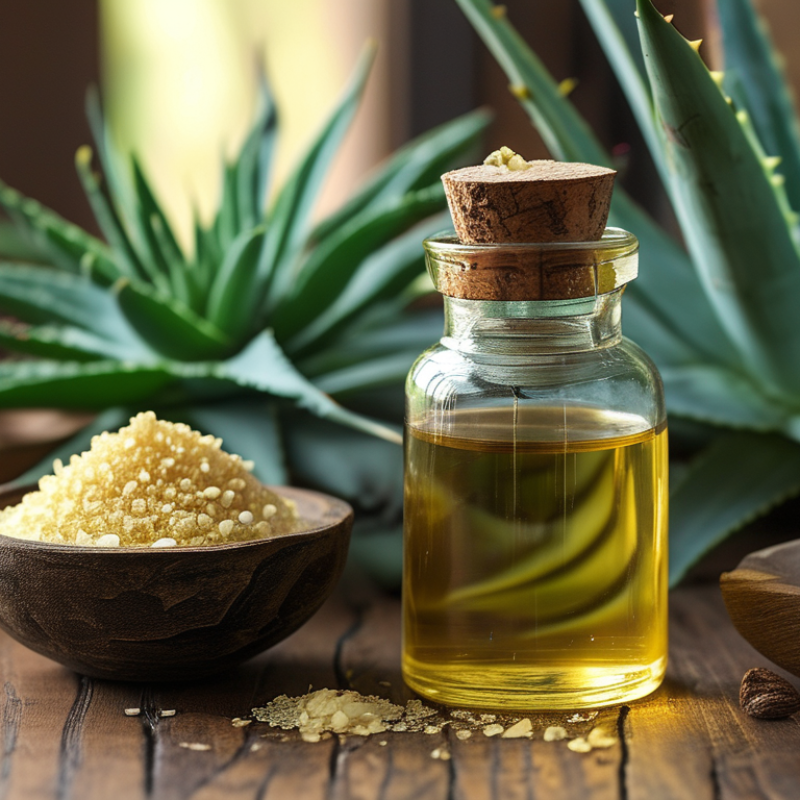
Natural extracts have gained popularity in personal care due to their numerous benefits. These extracts are derived from plants, offering a range of therapeutic properties. For instance, chamomile extract calms irritated skin and reduces inflammation. Meanwhile, aloe vera provides deep hydration and promotes wound healing. The gentle nature of these extracts makes them suitable for all skin types.
Incorporating natural extracts can enhance the effectiveness of personal care products. They often contain antioxidants, which can combat free radicals and reduce signs of aging. Essential oils, like lavender and tea tree, have antibacterial and soothing properties. However, sourcing high-quality extracts remains a challenge. Some products may contain synthetic additives or lower concentrations, diluting their effectiveness.
Consumers should remain vigilant when choosing products. Reading labels is essential to ensure the extracts are pure. DIY solutions can also be a rewarding alternative. Infusing oils with herbs offers a hands-on approach to personal care. Overall, embracing natural extracts can be both beneficial and enlightening, but awareness is key.
10 Best Extracts for Personal Care You Should Use
Top 10 Natural Extracts: What to Look for in Personal Care
When selecting natural extracts for personal care, understanding their benefits is crucial. Look for extracts rich in antioxidants, like green tea or grapeseed. These help combat free radicals and support skin health. Aloe vera, known for its soothing properties, can effectively calm irritated skin.
Consider extracts like chamomile and lavender, which provide a calming effect. These can help relieve stress while promoting relaxation. Some might overlook the importance of sourcing. Always choose organic extracts to minimize exposure to pesticides and toxins.
Extract quality can vary. It’s vital to check extraction methods. Cold-pressed or steam-distilled extracts retain more beneficial properties. Additionally, be mindful of ingredient lists. Sometimes, "natural" labels can be misleading. Opt for minimal ingredients to ensure purity and effectiveness. Engaging in research about each extract enhances your knowledge and empowers your choices.
10 Best Extracts for Personal Care You Should Use
| Extract |
Benefits |
Usage |
Skin Types |
| Aloe Vera Extract |
Hydration, soothing redness and irritation |
Moisturizers, gels |
All skin types |
| Green Tea Extract |
Antioxidant, anti-aging properties |
Serums, cleansers |
Sensitive, oily |
| Chamomile Extract |
Calming, reducing inflammation |
Cleansers, masks |
All skin types |
| Lavender Extract |
Relaxing scent, antimicrobial |
Lotions, sprays |
Dry, combination |
| Coffee Bean Extract |
Stimulating, improves circulation |
Scrubs, body butters |
All skin types |
| Rosehip Oil Extract |
Rich in vitamins, promotes healing |
Facial oils, serums |
Dry, mature |
| Honey Extract |
Natural humectant, antibacterial |
Masks, moisturizers |
All skin types |
| Vitamin E Extract |
Antioxidant, enhances skin barrier |
Creams, oils |
Dry, sensitive |
| Cucumber Extract |
Cooling, hydrating |
Cleansers, toners |
All skin types |
| Jojoba Oil Extract |
Moisturizing, mimics skin’s natural oils |
Oils, creams |
All skin types |
How to Choose the Right Extract for Your Skin Type
Choosing the right extract for your skin type can significantly enhance your personal care routine. Each extract has unique properties that react differently with various skin types. Understanding these nuances is crucial to achieving the best results.
For oily skin, look for extracts with astringent properties. Witch hazel and tea tree oil can help control excess oil. Consider your skin’s response to these extracts. Sometimes, they may cause dryness or irritation. Patch testing is essential before fully incorporating them into your routine.
If your skin is sensitive, prioritize gentle extracts like chamomile or calendula. These are known for their soothing effects. However, even gentle extracts can cause reactions in some cases. Monitor your skin closely for any signs of discomfort. Balancing the benefits against potential side effects is vital.
Sensitive skin might also benefit from hydration. Aloe vera can provide nourishment without irritation. Be cautious, as not all extracts work for everyone. Conduct thorough research and listen to your skin’s needs. Adjust your choices as necessary.
DIY Recipes: Incorporating Extracts into Homemade Personal Care
Incorporating natural extracts into homemade personal care products can elevate your beauty routine. Many consumers prefer DIY options due to an increased awareness of what goes onto their skin. According to a 2022 report from the Cosmetics Ingredients Review, natural extracts can enhance skincare formulations, providing both efficacy and safety.
Creating a facial serum with rosehip oil and vitamin E is simple. Combine two tablespoons of rosehip oil with a few drops of vitamin E in a dark glass bottle. The antioxidants in rosehip oil help reduce scarring and boost collagen. This easy recipe exemplifies how extracts can improve skin health.
When formulating your own products, consider the backbone of successful DIY. Proper measurement is crucial. A 1:10 ratio of extract to carrier oil usually works well. Start with small batches, allowing room for adjustments. Remember, not all extracts are suitable for every skin type. Patch testing is essential to avoid reactions.
Tip: Always store your extracts in a cool, dark place. Exposure to heat and light can degrade their potency. While experimenting can lead to wonderful results, be prepared for unexpected outcomes. Each skin responds differently, so stay observant and adaptive during your DIY journey.
Safety Tips: Using Extracts in Personal Care Safely
When incorporating extracts into personal care, safety is essential. Not all extracts are suitable for every skin type. Understanding your skin’s needs is crucial. Start with a patch test. Apply a small amount of the extract to a discreet area. Wait for 24 hours to check for any reactions.
Choosing high-quality extracts is advisable. Look for those that are organic and free from synthetic additives. Low-quality extracts may contain impurities. They can irritate your skin or cause allergic reactions. Always read labels carefully. Transparency is key in ensuring product safety.
Keep in mind that less is more. Using too much extract can overwhelm your skin and lead to adverse effects. It's important to observe how your skin reacts over time. If irritation occurs, reduce usage or stop altogether. People vary in sensitivity to various extracts. What works for one may not work for another. Adjusting your routine is a necessary part of personal care.
FAQS
: Consider your skin type first. Oily skin benefits from astringent extracts, while sensitive skin needs gentle options.
Stop using the extract immediately. Monitor your skin for any signs of discomfort and adjust your routine accordingly.
They can be safe, but proper measurements are crucial. Always conduct patch tests to avoid adverse reactions.
Start with small batches. Use a recommended ratio, and keep track of how your skin responds over time.
Yes, it helps identify any adverse reactions before fully incorporating an extract into your routine.
Store them in a cool, dark place. Exposure to heat and light can reduce their potency and effectiveness.
Witch hazel and tea tree oil can control excess oil effectively. However, monitor your skin's reaction carefully.
Yes, but be cautious. Not all combinations are safe. Observe how your skin responds to new mixtures.
It varies by product and individual. Start slowly, and adjust frequency based on how your skin reacts.
Reassess your choices and consider if the extracts suit your skin type. Keep experimenting but stay attentive to changes.
Conclusion
In recent years, the trend of using natural extracts in personal care products has gained significant popularity due to their numerous benefits for skin health. These extracts, derived from plants, offer a range of therapeutic properties, from soothing inflammation to providing hydration. When exploring how to use extracts in personal care, it is essential to understand the specific needs of your skin type, which can help guide the selection of the most suitable extracts.
The article highlights the top 10 natural extracts to consider, alongside practical tips for incorporating them into DIY personal care recipes. By experimenting with homemade formulations, individuals can create customized solutions that resonate with their skincare goals. However, it is also crucial to follow safety tips to ensure that these extracts are used appropriately and effectively, maximizing their benefits while minimizing potential risks. Ultimately, embracing natural extracts can lead to more holistic and healthy personal care routines.

 Debaoyi Natural Plants