Herbal extracts have gained significant recognition in recent years for their potential health benefits. According to a report by the World Health Organization, approximately 80% of the world's population relies on herbal medicine for basic health care. This widespread usage reflects the growing curiosity about what are the benefits of herbal extracts. Research indicates that many herbal extracts possess anti-inflammatory, antioxidant, and antimicrobial properties, which can enhance overall well-being.
A study published in the Journal of Ethnopharmacology highlighted that herbal extracts may support immune function and improve mental clarity. A survey by the American Botanical Council found that sales of herbal supplements reached over $9 billion in the United States alone in the past year. This data illustrates a growing trend where individuals seek natural alternatives for health management. However, it is crucial to approach these remedies with caution and an understanding of their limitations.
While herbal extracts hold promise, not all claims are substantiated by robust scientific evidence. It’s essential to consult healthcare professionals before relying solely on herbal remedies. This ensures a balanced and informed approach to health, acknowledging both the potential benefits and risks associated with these natural products.
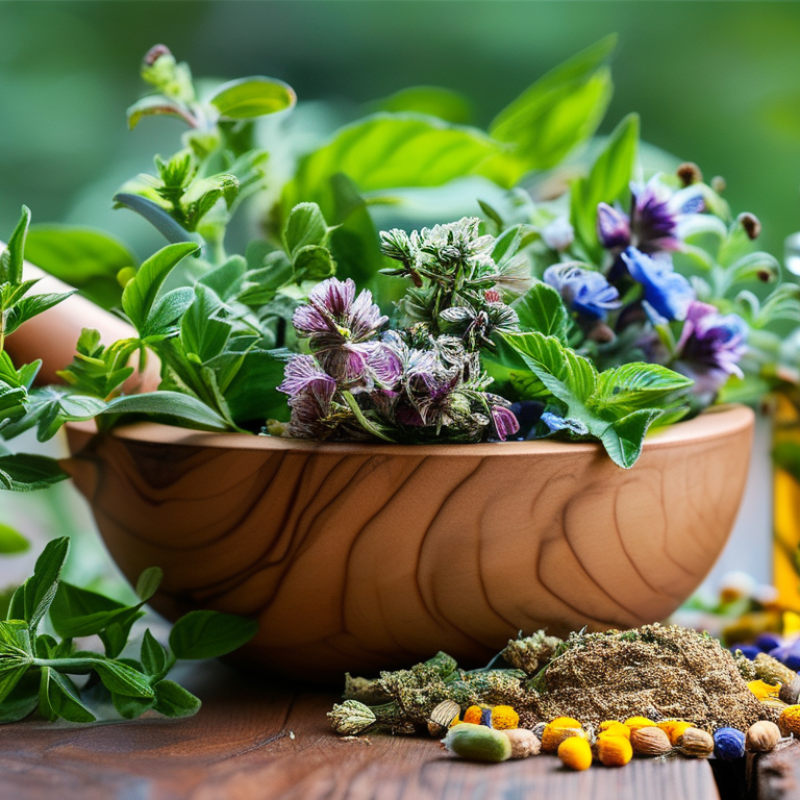
Herbal extracts are concentrated liquids derived from plants. They encapsulate the beneficial properties of herbs. Such extracts can be used in various applications, from dietary supplements to skincare products. Understanding their significance is essential for harnessing their power.
The extraction process involves various methods. One common approach is steeping dried herbs in solvents like alcohol or water. This practice has been around for centuries. Ancient cultures relied on herbal medicines for healing. Today, modern science supports their use with evidence of efficacy.
Many people remain skeptical. They question the potency and consistency of herbal extracts. It's vital to source them from reputable suppliers. Not all products are created equal. Some may be diluted or poorly processed. Researching the origins of these extracts ensures their quality and therapeutic benefits.
Engaging with communities and experts can enhance understanding and trust.
Herbal extracts are rich in key nutritional components that offer numerous health benefits. These extracts contain antioxidants, vitamins, and essential oils that can support overall wellness. For instance, flavonoids found in many herbs are known to combat oxidative stress in the body. A report from the World Health Organization highlights that antioxidants play a critical role in reducing the risk of chronic diseases.
In addition to antioxidants, herbal extracts often include essential vitamins and minerals. For example, extracted from echinacea, vitamin C can boost the immune system. The International Journal of Herbal Medicine cited studies showing that adequate intake of herbal vitamins helps enhance metabolic processes. Many people overlook the importance of these nutrients, yet they contribute significantly to health.
Tips: Consider incorporating herbal teas into your daily routine. Chamomile and peppermint not only provide relaxation but also deliver beneficial extracts. Remember, the effectiveness of these extracts can vary based on preparation and dosage.
While herbal extracts have positive effects, it's essential to recognize potential challenges. Not all herbal products are created equal, and quality can differ. Some brands may use poor extraction methods, leading to less potency. Research and seek products that have undergone third-party testing for safety and effectiveness.
Herbal extracts play a significant role in supporting the immune system. Studies show that many herbs possess compounds that enhance immune response. For example, echinacea is known to stimulate white blood cell activity. This can help the body fight off infections more effectively. Research published in the Journal of Immunology found that compounds in garlic can increase the production of virus-fighting T-cells.
Furthermore, astragalus root is another herbal extract that has gained attention. A study highlighted its ability to boost immune function by increasing the number of immune cells. The root contains powerful antioxidants that reduce inflammation. A review of clinical trials indicated a 30% improvement in immune system parameters among participants using astragalus regularly.
While many people experience benefits from these extracts, responses may vary. Some individuals might not notice immediate effects. This variability raises questions about the effectiveness of herbal remedies for everyone. Understanding your body's unique responses is essential, even when using well-researched herbal extracts. Each person's immune system is different, and reactions to herbal supplements depend on various factors.
Herbal extracts have gained attention for their potential to boost mental well-being. Research shows that certain plant compounds can effectively enhance mood and reduce anxiety. For instance, a study published in the Journal of Clinical Psychology found that herbal extracts like ashwagandha reduced stress levels by up to 30%. This indicates a clear link between herbal remedies and improved mental health.
Moreover, flavonoids in herbs, such as chamomile and ginkgo biloba, play a crucial role in cognitive enhancement. A report by the National Institute of Health revealed that these compounds can improve memory and alertness. Consumers have reported increased focus after incorporating these extracts into their daily routines. However, it is important to approach herbal supplementation thoughtfully. Individual responses can vary widely, and what may work for one person might not work for another.
The market for herbal extracts continues to grow, suggesting a rising interest in natural mental health solutions. Yet, with this growth comes the need for more rigorous scientific validation. Not all products are created equal, and some may lack the claimed benefits. Understanding proper dosages and potential side effects is essential. While herbal extracts show promise, further research is necessary to ensure their reliability and effectiveness for mental well-being.
Herbal extracts have a place in daily routines. They can enhance health and well-being by providing natural alternatives to synthetic products. For instance, chamomile extract is popular for its calming properties. People often use it to unwind after a long day. A warm chamomile tea before bedtime may improve sleep quality.
Ginger extract is another versatile option. It adds flavor to various dishes and can be beneficial for digestion. Many incorporate it into smoothies or juices for a refreshing kick. However, its strong taste might not be for everyone. Experimentation is key to finding what suits individual preferences.
In skincare, aloe vera extract stands out. It hydrates and soothes irritated skin. Applying it after sun exposure can offer relief. Yet, some may experience reactions. Testing on a small patch of skin is wise before full application. Embracing herbal extracts can lead to a more natural lifestyle, but caution and awareness are essential.
: Herbal extracts contain antioxidants, vitamins, and essential oils that support overall wellness.
Antioxidants help combat oxidative stress and reduce the risk of chronic diseases.
Yes, certain plant compounds in herbal extracts can enhance mood and reduce anxiety.
Ashwagandha has been shown to reduce stress levels by up to 30%.
Individual responses vary; what works for one person may not work for another.
No, product quality can differ, so research is essential to find effective options.
Chamomile extract is popular for its calming effects, often used in tea for better sleep.
Ginger extract can enhance the flavor of dishes and support digestion when added to smoothies.
It's wise to test aloe vera on a small skin patch to avoid potential reactions.
Awareness of proper dosages and possible side effects is important for safe use.
Herbal extracts have gained popularity for their numerous health benefits and practical applications in daily life. Understanding what herbal extracts are and their importance can highlight their role in health and wellness. Rich in key nutritional components, these extracts not only fortify the immune system but also contribute significantly to enhancing mental well-being.
What are the benefits of herbal extracts? They offer a natural approach to support overall health, providing essential nutrients that may promote immune function and improve mood. Incorporating herbal extracts into everyday routines can lead to better health outcomes, making them a valuable addition to anyone's health regimen.

Debaoyi Natural Plants