Grapeseed oil has gained popularity for its numerous health benefits. This golden liquid is extracted from grape seeds, making it a unique addition to your kitchen. Packed with essential nutrients, it is versatile for cooking and beauty routines.
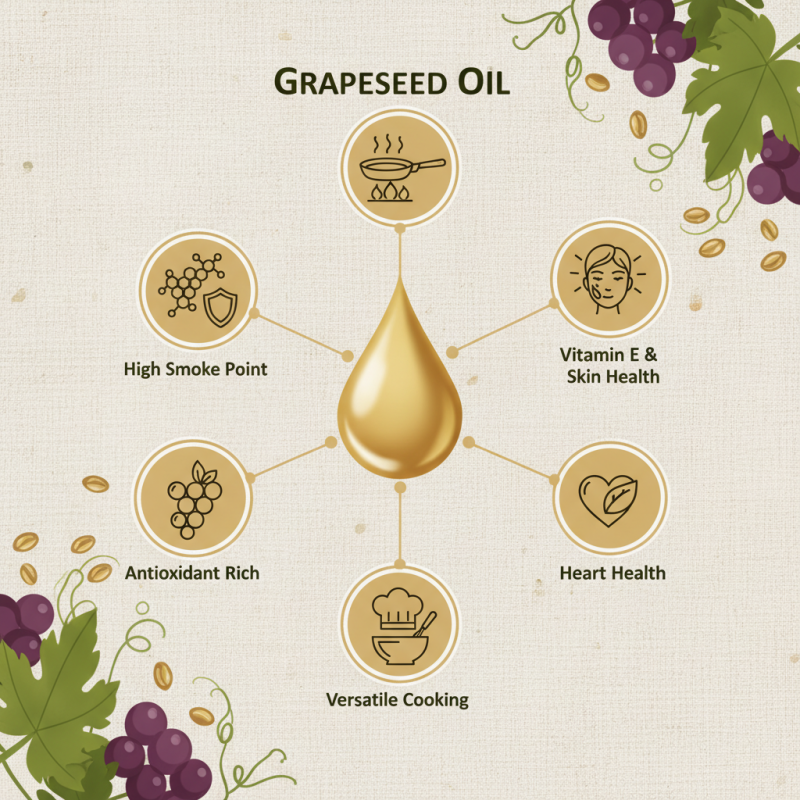
One major advantage of grapeseed oil is its high smoke point. This makes it ideal for frying and sautéing. It also contains antioxidants, which may help combat free radicals in the body. This oil is rich in vitamin E, promoting skin health and hydration. Some studies suggest that grapeseed oil may even support heart health due to its healthy fat profile.
However, not everyone may experience the same benefits. Some may have sensitivities or allergies to it. It’s essential to consider personal health conditions before incorporating grapeseed oil. Learning the nuances of this oil is beneficial and could enhance your daily life. Embracing grapeseed oil is a journey worth exploring.
Benefits of Grapeseed Oil for Skin Health and Moisturization
Grapeseed oil is a versatile ingredient known for its skin health benefits. High in linoleic acid, it helps maintain skin's moisture barrier. This oil absorbs quickly, leaving a non-greasy finish. Ideal for all skin types, it can soothe dry and irritated skin without feeling heavy.
Rich in antioxidants, grapeseed oil fights free radicals. This action can help reduce signs of aging, such as fine lines. Regular use may brighten the complexion, giving it a youthful glow. While it works well for many, those with sensitive skin should patch-test first. It’s easy to overlook potential reactions.
Incorporating grapeseed oil into a daily routine is simple. It can be used alone or mixed with other oils for added benefits. Massage a few drops into the skin. However, remember that everyone's skin is unique, and results may vary. Being mindful of how your skin reacts is crucial for achieving the best results.
Nutritional Profile: Essential Fatty Acids in Grapeseed Oil
Grapeseed oil has garnered attention for its nutritional profile. This oil is rich in essential fatty acids, particularly linoleic acid, an omega-6 fatty acid. Research indicates that approximately 70% of the fat in grapeseed oil is made up of polyunsaturated fats. These fats are important for maintaining healthy cell membranes and promoting heart health.
The omega-6 fatty acids found in grapeseed oil may aid in reducing cholesterol levels. However, a diet excessively high in omega-6 can lead to imbalances with omega-3s. This is a point to ponder. Balance is key in nutritional intake. The American Heart Association notes that proper ratios of omega-6 to omega-3 are vital for optimal health.
Furthermore, grapeseed oil has a high smoke point, making it suitable for various cooking methods. However, excessive heating can diminish its nutritional properties. Keeping temperatures in check is crucial. It's essential to consider both the benefits and potential drawbacks. Grapeseed oil can be a great addition, but awareness is necessary to fully leverage its advantages.
Antioxidant Properties of Grapeseed Oil: A Study on Polyphenols
Grapeseed oil is rich in antioxidants, especially polyphenols. These compounds play a crucial role in protecting the body from oxidative stress. A study published in the *Journal of Agricultural and Food Chemistry* found that grapeseed oil contains high levels of proanthocyanidins, which may help reduce inflammation. Regular consumption could potentially lower the risk of chronic diseases.
Many people overlook oil choices in their diets. Grapeseed oil can be a healthy alternative to other cooking oils. It has a high smoke point and is perfect for sautéing or frying. Including grapeseed oil in your kitchen can be an easy way to boost your antioxidant intake.
**Tip:** When buying grapeseed oil, look for cold-pressed varieties. These retain more nutrients. Store it in a cool, dark place to maintain its quality. Remember, not all grapeseed oils are created equal. Check for purity and extraction methods to maximize health benefits.
Top 10 Benefits of Grapeseed Oil You Should Know
| Benefit |
Details |
Polyphenol Content (mg/100g) |
Antioxidant Activity (% DPPH Scavenging) |
| Rich in Antioxidants |
Contains a high amount of polyphenols that help combat oxidative stress. |
150 |
85 |
| Supports Heart Health |
May reduce cholesterol and improve blood circulation. |
120 |
75 |
| Anti-Inflammatory Properties |
Helps reduce inflammation and associated chronic conditions. |
100 |
70 |
| Skin Health |
Moisturizes and nourishes the skin, promoting a healthy complexion. |
130 |
80 |
| Weight Management |
May assist in weight loss and maintenance due to its healthy fats. |
110 |
72 |
| Eye Health |
May protect against certain eye diseases and improve vision. |
140 |
78 |
| Improves Mental Function |
Polyphenols may support brain health and cognitive function. |
125 |
76 |
| Balances Blood Sugar |
May help regulate blood sugar levels, beneficial for diabetics. |
115 |
74 |
| Supports Immune System |
Polyphenols can bolster immunity and fight infections. |
135 |
82 |
Grapeseed Oil's Role in Heart Health: Omega-6 to Omega-3 Ratio Analysis
Grapeseed oil is known for its rich composition of polyunsaturated fats. One of its main benefits lies in its omega-6 to omega-3 fatty acid ratio. This balance is crucial for maintaining heart health. Many people consume too much omega-6, which can lead to inflammation. Grapeseed oil provides a healthier alternative, offering a more favorable ratio.
Including grapeseed oil in your diet can support cardiovascular well-being. It contains vitamin E, an antioxidant that helps reduce oxidative stress. Some might think that all oils are the same, but grapeseed oil's lighter taste makes it versatile for cooking. Sautéing or salad dressings benefit greatly from its flavor. However, it’s essential to reflect on dietary habits. Are we truly balancing our omega-6 intake?
This oil can be a valuable addition, but moderation is key. Using it excessively won’t yield additional benefits. Instead, a thoughtful approach to incorporating grapeseed oil could enhance heart health. Remember, every dietary change requires mindful consideration of overall balance.
Culinary Uses: High Smoke Point and Versatility in Cooking
Grapeseed oil stands out for its high smoke point, making it ideal for various cooking methods. This oil can handle temperatures up to 420°F, which means it won’t break down easily. You can use it for frying, roasting, or sautéing without fear of harmful compounds forming. The light flavor of grapeseed oil complements many dishes without overpowering them.
Its versatility is another key benefit. You can use it in salad dressings, marinades, and even baking. Imagine drizzling it over fresh greens for a delightful vinaigrette. Or, try it as a base for your homemade mayonnaise. However, remember to recognize that not all oils are the same. Some brands may have different qualities, so choose wisely.
Additionally, beginners in the kitchen might find grapeseed oil a better choice when experimenting with new recipes. Its neutral taste allows chefs to highlight the main ingredients. But be cautious. Using too much can mask flavors instead of enhancing them. Cooking with grapeseed oil can be a rewarding experience, but balance is key.
FAQS
: Grapeseed oil is rich in essential fatty acids, especially linoleic acid, an omega-6 fatty acid.
Its polyunsaturated fats support healthy cell membranes and may help reduce cholesterol levels.
An excessively high omega-6 intake can lead to imbalances with omega-3s, which is a crucial health consideration.
Yes, it has a high smoke point, making it suitable for various cooking methods like sautéing and frying.
Excessive heating can diminish its nutritional properties, so managing cooking temperatures is important.
Grapeseed oil is rich in polyphenols, particularly proanthocyanidins, which help fight oxidative stress and reduce inflammation.
Yes, oil choices can impact health. Grapeseed oil is a healthy alternative to many other cooking oils.
Look for cold-pressed varieties and store in a cool, dark place to maintain quality and retain nutrients.
No, the purity and extraction methods can vary, affecting health benefits significantly.
While beneficial, it's important to reflect on dietary balance and how it fits into your overall nutrition.
Conclusion
Grapeseed Oil offers a multitude of benefits that make it a valuable addition to both health and culinary practices. Rich in essential fatty acids, it provides optimal moisturization for the skin while promoting overall skin health. Its impressive nutritional profile includes a favorable balance of omega-6 to omega-3 fatty acids, which plays a significant role in supporting heart health. Furthermore, the antioxidant properties of Grapeseed Oil, primarily due to its high polyphenol content, help combat oxidative stress and may contribute to various health benefits.
In the kitchen, Grapeseed Oil is prized for its high smoke point, making it ideal for various cooking methods, including frying and sautéing. Its versatility allows it to be incorporated into a variety of dishes, enhancing flavors without overpowering them. Overall, Grapeseed Oil stands out as a nutrient-rich oil with numerous health benefits, catering to both culinary enthusiasts and health-conscious individuals.

 Debaoyi Natural Plants